Why Is Trust Important and What Causes No Trust | Ep 1
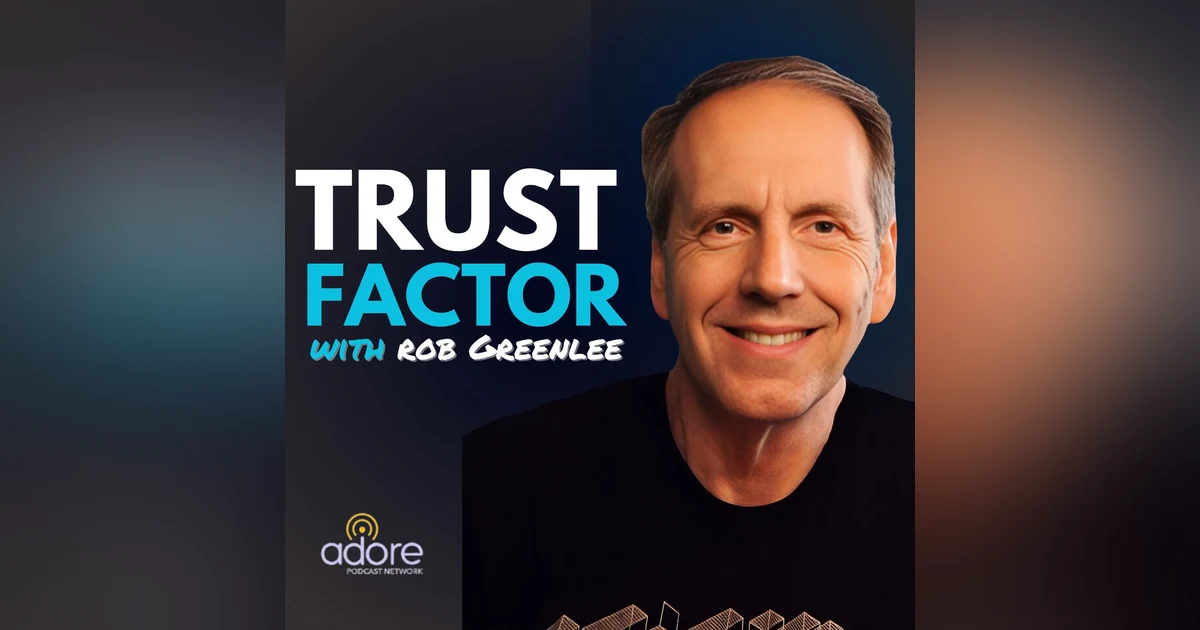

Why Is Trust Important? and What Causes No Trust?
Why Is Trust Important?
This is a fundamental aspect of any healthy relationship, whether it's between individuals, groups, or institutions.
Trust is essential for building strong connections and...


 RSS Feed
Why Is Trust Important?
This is a fundamental aspect of any healthy relationship, whether it's between individuals, groups, or institutions.
Trust is essential for building strong connections and establishing effective cooperation between parties.
When you trust someone, you feel comfortable sharing personal information and vulnerabilities, creating a sense of intimacy and closeness.
When trust is present, people are more willing to communicate openly and honestly. They feel safe expressing their thoughts and feelings without fear of being judged or rejected.
This leads to more effective communication and a deeper understanding of each other's perspectives.
Trust is crucial for effective collaboration and teamwork. When team members trust each other, they are more likely to share ideas and work together towards a common goal.
It can help reduce stress. You don't have to worry about their motives or intentions. This leads to a sense of security and peace of mind, which can benefit physical and mental health.
Trust is essential for building a good reputation. When people trust you, they are more likely to recommend you to others and speak positively about you. This can lead to more opportunities and a stronger network of connections.
In summary, trust is vital for building strong online or offline relationships, effective communication, teamwork, stress reduction, and reputation enhancement.
What Causes No Trust
For several reasons, someone might have no trust or difficulty trusting others.
Past experiences: Traumatic or negative experiences in the past can make it challenging to trust others. For example, someone who has been betrayed or hurt by a close friend or partner may struggle to trust again in the future.
People with low self-esteem may find it challenging to trust others because they don't believe they are worthy of trustworthy relationships. They may feel like others will eventually betray or abandon them.
Some people may have personality traits that make it challenging to trust others. For example, someone who is very suspicious or cynical may find it difficult to believe that others have good intentions.
Cultural or societal factors can influence someone's ability to trust others. For example, growing up in an environment where people are very guarded or where trust is not valued can make developing trust later in life challenging.
Lack of communication or openness in a relationship can make it challenging to build trust. If someone feels they don't know what's going on or are not being told the truth, they may struggle to trust others.
Trust is a complex and multifaceted issue, and the reasons why someone might have difficulty trusting others can vary widely from person to person.
If you or someone you know struggles with trust issues, seeking support from a therapist or counselor can be helpful in addressing these concerns.
0:01 Trust Factor with Rob Greenley focuses on all aspects to building human trust in online communications only on one hundred TV. Hi, I'm Rob Greenley here. Your trust factor in your life is very important and the lack of it or abundance of it has a profoundly impactful feeling in the quality of your life. In this video series and coming audio podcasts, I'm going to focus on all aspects of building trust in human to human relationships that connect you to your business, to your personal life, or your professional career. So I'm dedicating this show so brand new shows my premiere episode, to helping online content creators create content that reaches other people at a deeper level and to grow those connections and loyalty as well. I'm excited I did for you to join me each week to learn and bring more positive human experiences to our lives and others here every week.
1:10 So why is trust so important? That's the first topic that I'm going to talk about today, and what causes no trust? So you kind of have two ends of the spectrum, right, So you have the causes of trust and why trust is important and what causes no trust. So let's start off with why is trust important. This is a very fundamental aspect of any healthy relationship. Whether it's between individuals, groups, or organizations or companies, trust is essential for building strong connections and establishing effective cooperation between individuals or parties or groups. When you trust someone, you feel comfort sharing information and being vulnerable to them and creating a sense of personal closeness. These kind of trust relationships can span all sorts of types of relationships. The core is being able to share honest impacts with others and build that closest So when trust is present, people are much more willing to communicate openly and honestly, and they feel safe in expressing their thoughts and feelings without fear of being judged or rejected.
2:37 So this leads to much more effective communication and a deeper understanding of each other's perspectives. So trust is crucial for effective collaboration and teamwork as well. So when members trust each other, they are more likely to share ideas work together towards a common goal. I think we've all probably experienced this at some level. Maybe what I'm saying to some degrees a little bit redundant to your experience. Building trust can also help reduce stress in your life as well. You don't have to worry about a person's motives or intentions. This leads to a sense of security and peace of mind, which can be beneficial to both your physical and mental health. So trust is really essential for building a good reputation.
3:31 When people trust you, they are more likely to recommend you to others and speak positively about you. And this can lead to more opportunities in your personal life, in your business life, and also builds a stronger network of connections too. So in summary, trust is vital for building strong online and offline relationships. In building effective communication with others in your life can also build team mark. It can also reduce stress in your life, which we all certainly need in this world today. We're full of challenging situations. Trust is at a premium right now, and that has a lot to do with why I'm doing this podcast or this video show. Is trust, I believe is the number one challenge that we have on our culture and our society today.
4:30 We don't tend to trust others, we don't tend to trust organizations, we don't tend to trust leaders in our world experience, and I'm not exactly sure why that's being eroded at such a significant level right now. But that's what's really driven me to do this show and this podcast because I believe that it's so important for all of us to really think about these things because it they actually create a more positive experience for all of us in our lives as well as build a better culture and better society that we all feel better about living in. Right So these don't have to be anything outside of the realm of taking personal responsibility for what you are bringing to the world and what you're contributing to the world. And I think that that is really key, and it's it's kind of very traditional in our values as well, So whether or not you're a liberal or conservative, I believe these trust issues are key to anyone that may be in interaction with each other. And I think, you know somewhat the divide that's happening in our culture and our society today, trust is really the glue that can keep us glued together. So that's why I feel this in my own life at a very deep level as well, and I
6:04 try and build this with others in my life. So what I would like to do next here is what are some of the causes of no trust, and that'll help us kind of get a better feeling for what are the things that we're doing in our lives every day that maybe are eroding these aspects of trust that can really help propel us individually as well as organizationally, or as well as as societal impacts and keep us from moving forward and keep us apart or keep us distrusting each other. And I believe that there are several reasons why someone might have no trust and difficulty in trusting others, and these are come their past experience or real time experiences that are either traumatic or negative experiences from their past. So if they've seen something that has challenged them in their perspective of being able to trust others. For example, someone who has been betrayed or hurt by a close friend or a partner may struggle to again regain any kind of trust, especially as as they look to the future. If they've been betrayed, if they've been deceived, if they've been manipulated, those
7:41 areas aroad trust and also erode your confidence that others can be trusted. So I think that these are aspects that are that are things to think about. I think also people with low self esteem, may find it challenging to trust to others because they just don't believe that they are worthy of trustworthy relationships. So it's one of those things that develops over many years of time. A person maybe doesn't develop a strong self esteem, and so they tend to not trust others because for whatever reason. It's a complex emotional aspect, but they may feel like others will eventually betray them or abandon them. They feel like that they have to put a wall up right and not trust others or take a risk. And I think a lot of people in our personal relationships, especially now, probably feel that way because I think there's a feeling that people have a hard time trusting each other what people's intentions are, especially in the online world today. I think that there is a lot of activity in the online world that betrays our trust, it feels like anyway, and this is from a little bit of personal experience. There's a lot of messaging and a lot of communication that happens online that you just can't trust. And I think
9:13 that's really key to this creating maybe a low self esteem as well, because people just feel like hopeless and how they interact in the world and what the world brings to them. Some people may have personality traits that make it challenging for them to trust others. For example, someone who is very suspicious or cynical may find it difficult to believe that others have good intentions towards them. There's other aspects of cultural and societal factors that can influence someone's ability to trust others too, For example, growing up in an environment where people are very guarded and where trust is not value and can make it very challenging to develop trust later in life. That gets back to kind of the earlier things I was saying that people are very suspicious, very guarded, and really make trust really kind of almost impossible. And I think that's one of the big challenges that we see in the world today, is is being able to trust is sometimes in many people today, just too much to ask and it's just too much of a hurdle to get over to trust anyone with their attentions and be able to take an emotional risk, because in a lot of ways, that's what you're taking. Even taking on a new job or a new role, or being involved in an organization or something like that, that person may feel
10:48 very guarded about putting themselves out there and taking a risk and even speaking up in a group and taking a position on something, especially with the fear that exists in our society today that you may be attacked, or you may be somehow hurt, lose your job, or other aspects of impacts of societal and cultural factors that influence one's ability to trust others. If you just don't trust others that what you say will be respected by others and that you will be maybe potentially canceled or you could potentially lose your job because of something that you said, trust is going to be very difficult to come by in our society and our lives. So I think another aspect of this is also lack of communication. So if an environment that you're in is lacking in just kind of open communication in any kind of a relationship, whether it be business or personal, if the communication isn't there, that can also create misunderstandings that can create a lot of distrust in people's motives what they're trying to accomplish, and can make it challenging to build trust and to feel like that you're part of something or part of a group that people trust each other. If people don't feel
12:22 like that they know what's going on right in any kind of organization or in any kind of situation, if they feel like it's like, I don't really know what's going on here, So how can I really trust what is being said or what I'm being told? Are they being told the full truth or is there something being left out? They may struggle to trust. That's one of the big big risk factors here. Trust is a very complex and multifaceted issue. The reasons why some people might have a difficulty trusting others can vary widely from person to person. It's making life and being able to navigate life very very challenging right now. I do believe it's really put our society and culture at risk right now, and I think it's leaving the opportunity for I think people to come in and take advantage of people because there isn't Trust builds strong bonds and connections with others. And if you or someone may struggle with trust, you know, you may want to seek kind of counseling or therapy type of support because those type of people can sometimes help you work through these issues to be able to maybe build your self esteem back again and help you
13:52 understand why you're feeling the way that you're feeling. So I think that you know, to kind of go back a little bit, continue talking about the fundamental aspects of healthy trust is so important to all of our health and the direction that we're going in our own lives. You know, from a podcaster, you know, I have a long history and podcasting. I've been inducted into the Podcasting Hall of Fame. I have not done a lot of, you know, solo video shows, so this is a challenging thing for me to do. I've done a lot of I've done live video broadcasting. I do do another show called The New Media Show, and that show is something I've done for about ten years or so. But doing a solo cast like this, and I plan on bringing on other guests into this show over the course and over my plan of talking about topics in this program, to really expand on this topic to a level that hopefully and it may involve even bringing in psychologists and bringing in people that can pull us apart. I'm not a psychologist, but I've spent a lot of time working in a lot of different environments, a lot of different types of situations. I've owned my own businesses, I've worked for major corporations like Microsoft. I've been involved in podcasting for a long time, so I've been sharing my perspectives on things for many,
15:26 many years. But I also love to bring people together to talk about important topics and things. And that's one of the big shifts that I'm making in my own personal life right now. And why I'm doing this podcast is that I want to be able to help others build on some of the challenging topics that are facing all of us today in our personal and professional lives. You know, how do we help ourselves be able to identify people that we can trust. How do we create environments around us in our companies and our careers that can facilitate the development of trust. I think building trust is one of the most important aspects of building a successful podcast or an online program. I'm going to dive into as many of those details and those aspects as I can find. And this is a journey for me as well. I mean, I really want to dive into these topics and have a deep understanding so when I talk about this, you know, I can talk about it, you know, without any kind of outline or any kind of a pre planning of this. I mean a lot of what I have done with the video podcasting that I've done is has been free flow thought of information. And that's one of the advantages of doing a podcast with another person that I trust and that
17:02 will share information that could be helpful to someone that's watching and listening. Because this show will also be an audio podcast too, so I plan on doing this in video as well as an audio as well, so look for that in the future. It's going to be, you know, under the same name Trust Factor. It will be identified as an audio series as well as a video series, so you know. I think another big aspect is that you just need to find in your own life people that are wanting to trust. I think that's a very important fact and it's sometimes it gets back to how you talk to other people about these topics. You know, people that are willing to be vulnerable or people that are willing to open up a little bit. And I think if you open up as a person yourself and be friendly and be support of others, I think what you will do is you will attract others that have a common thought process. Then over time you will be able to trust other people in your group, and then as you build your network of people that you can trust, that helps build I think, a much more solid life for you. I think you're more likely to find a relationship that is one that you can build on and that you can align
18:32 with. And I think that it's really all about communicating openly and honestly and at the same time feel safe about what you're saying to others. The honest truth about this, too, is that you may be burned a few times on going through this path of being open to trusting others, because not everyone is you can really trust. That is an unfortunate fact of life. But there are people out there that are basing a lot of their life experience on fear, and if they fear too much, trust is going to be very difficult to come by. And that is something that it's very difficult to overcome.
19:19 And that's part of what we're experiencing in our world today is I believe that there's an interest in creating fear in our lives, and when that happens, it's just much more challenging to trust because if fear is built based on false information or misleading information, that generates fear, and then it's later found out that that information that was shared with you that generated that fear was false information. Guess what that does. That causes a trust antitrust reaction in your life, and that is that is really toxic to all of us. And I think that's that's a lot of the reason why I'm doing this show is that if we can get back to a trust level that is more normal, then I believe that the like I've i said earlier here, there's a much lower level of stress in people's lives. People have stronger peace of mind in how they live their lives. They can build more confident relationships with employers, they can build more confident relationships with family. I think family is another aspect that I haven't really talked about in the aspect of trust, is that family
20:51 needs to be able to trust as well. And sometimes it's really easy to break trust with family because there's already the closeness that exists, and humans make mistakes, Humans don't always do the right thing, humans don't always make the right decisions, and humans make mistakes. Those things and those aspects of our lives can also cause an erosion of trust. If others see those mistakes, experience those those mistakes and those errors, they're more likely to not want to either be around you, or trust you, or trust what you say or trust what you do, And that can be a very challenging thing for any person to kind of get through. Like I mentioned earlier too, I think it's also a health issue too. I think if we live under this stress level of not being able to trust, that is going to cause kind of a physical reaction in our body too. That erodes our ability to to live a healthy life too. It creates a heightened level of what they call cortisol in our body. That's it's like a stress hormone. But if we feel like we're living in a world where we can't trust anyone around us, we can't feel comfortable, we can't feel secure, we can't feel like we have a peace of mind, that's going to have a negative impact on our bodies
22:23 and how healthy we are. So so those are definite aspects of things that we have to think about as we try and really focus on this important aspect of trust and that trust factor in our lives. And thus the name of this show. I'm going to come back with this show next week and talk about specific aspects of how to build trust and how to really establish trust at a deep level in various aspects of the concept of trust and communication and building an audience for your show built on the concept of trust and open communication and being able to build a strong reputation with others out there and to build up others and give others a forum to learn and to communicate and to share.
23:27 And that's what this show, that's what I want this show to be all about too. And that's why I feel it's very important to share with you that you can send me an email if you want, you can share your trust practices that you have that you want to have me share through you to the listeners of this podcast and this video show. And so please, if you feel compelled to send me any kind of ideas or experiences that you've had at around trust, I would be happy to talk about them in a future episode of this show, because I plan on having let's say, like a like a listener feedback section of this program as well. And you're certainly welcome to send me an email. Rob dot greenly g R E. N L.
24:18 E at gmail dot com. And you can certainly send that. I'm also on all the social platforms as well, Instagram, Facebook, Twitter, all those and those are terrific platforms to send me feedback on as well, and so I can I can get some comments back to you. Maybe I can take those questions or those comments and I can share them with a psychologist. Here. You can get answers to your question if you're if you just cannot trust, and then it's it's really important for you to ask those questions to figure out how you can trust and what's your next step s are to be able to get over maybe some past experiences that you had that were traumatic or negative, or you felt betrayed, or ways that you can you can build your self esteem up. Um that will create an atmosphere for you where you will feel like you can trust again. So, like I said, my email address is Rob dot greenly g R E N L E. You can see it in the in the lower left hand corner of the screen.
25:33 You can send me an email at gmail dot com and I would I would love to share your feedback and your ideas on the next episode of this podcast we can talk about this. I think creating a conversation with you builds trust, and that's what I want to foster in this program and all of the programs that I do going forward. I'm I'm going to be doing multiple podcasts and multiple shows on a couple of different topics, but the big thing is being able to speak to you and communicate to you in a way that builds trust in an interactive kind of feedback process. So I want to thank you for watching my premiere episode of Trust Factor with Rob Greenley, and I definitely look forward to having you back and being a part of my community here, and thank you so much for spending time


