Money Matters: How to Take Control of Your Money Without Feeling Overwhelmed with Jamie Trull
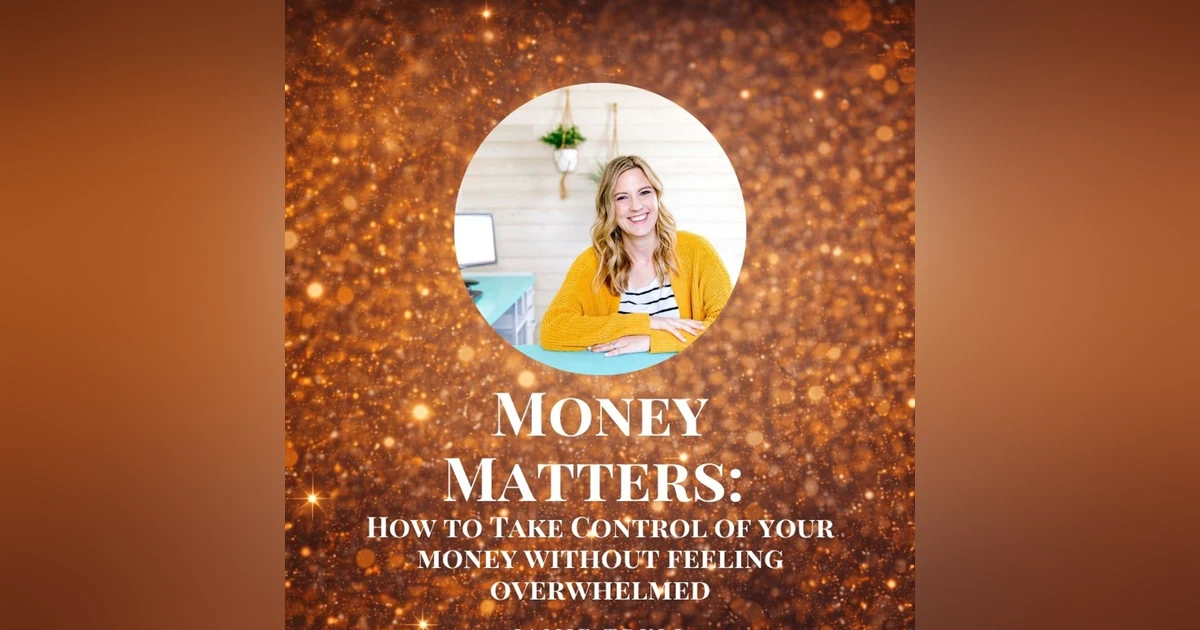

Today we’re talking about money. Budgeting. Saving. Investing. Debt. Mindset. But not in the “cut your Starbucks treat and buy a house” kind of way. We’re talking about it in a way that actually feels achievable, empowering, and grounded in real...
Today we’re talking about money.
Budgeting. Saving. Investing. Debt. Mindset.
But not in the “cut your Starbucks treat and buy a house” kind of way.
We’re talking about it in a way that actually feels achievable, empowering, and grounded in real life.
Because no matter where you are in your career, your business, or your life, money stress has a way of creeping in and taking over when you don’t have a system and when you’re avoiding it altogether.
In this episode of Quick Before You Forget, I sit down with financial literacy coach, CPA, and author Jamie Troll to talk about what’s really going on beneath the surface when it comes to money.
We get into:
why so many smart, capable people feel behind
how avoidance keeps us stuck longer than we realize
the simple shift of giving every dollar a job
and how money can actually become a tool for good, not something to fear
This conversation isn’t just about finances.
It’s about taking your power back. It’s about getting honest. It’s about building a life that actually feels like yours.
If you’ve been doing everything “right” but still feel off… this is a good place to start.
+
Jamie Trull
Order Jamie's Book Hidden Profit Today! https://a.co/d/02NwAQzz
Learn More About Jamie at http://jamietrull.com/
Follow Jamie on YouTube for free trainings https://www.youtube.com/c/jamietrull
Join Jamie's Free Facebook Community http://jamietrull.com/group
+
Chapters
00:00 – The Message We All Need to Hear Why stepping into your financial power matters more than ever
01:00 – Meet Jamie Trull CPA, financial literacy coach, and author of Hidden Profit
03:00 – The Childhood Story That Changed Everything Saving $120 at age 10 and what it revealed about money
07:00 – The Moment That Radicalized Her Money Mindset How one book and compound interest changed her life
10:00 – “I’m Behind” Is a Lie The mindset that keeps people stuck and how to shift it
13:00 – What Entrepreneurs Get Wrong About Profit Corporate vs. small business thinking
17:00 – Why Money Feels So Emotional (and Overwhelming) Fear, avoidance, and what’s really underneath
21:00 – Stop Avoiding Your Numbers: Why facing the truth is always better than ignoring it
24:00 – The Story She Almost Didn’t Share Vulnerability, intuition, and the “starling” moment
28:00 – The Power of Community and Collective Impact: Why we can do more together than alone 31:00 – The Truth About Money Being “Bad” Rewriting one of the most dangerous beliefs
34:00 – The Practical Shift: Give Every Dollar a Job A simple but powerful financial system
38:00 – Her Deeper Why: Justice and Impact The thread that’s been there all along
41:00 – What She’d Tell Her Younger Self Perfectionism, fear, and taking action anyway
45:00 – The Unreal Moment That Changed Everything Showing up during COVID—and what it created
52:00 – What Matters Most Right Now Family, presence, and building a better future
56:00 – Music, Resilience, and Emotional Anchors and the songs that carry her through
Jess Glynne: Don't Be So Hard On Yourself https://www.youtube.com/watch?v=THeLVhU53ow&list=RDTHeLVhU53ow&start_radio=1
Taylor Swift: Who's Afraid of Little Old Me? https://www.youtube.com/watch?v=vOZFiX6hDXQ&list=RDvOZFiX6hDXQ&start_radio=1
Sign up for the Quick Before You Forget newsletter: https://substack.com/@joyfromthegroundup
My links:
Lovisa earrings: https://www.lovisa.com/?ref=tyler2922
Use this code for 10% off! TYLER2893
Mental Edge Academy: https://www.aea-neuro-fitness-academy.com/offers/8MooUCaS/checkout
0:01 We need you to step into your power. We need you to step up and you know, take your share of that economic pie. We need more wealth in the hands of people that care and that we'll use it for care. That's how we're going to make change in this world.
0:45 Jamie Troll, Hello and welcome to Quick Before you forget. Hi, Ty, thanks so much for having me. I am so excited and so grateful you're here, and friends, you must know all about Jamie. Jamie is a CPA financial literacy coach, profit strategist, and author of Hidden Profit, which helps business owners actually understand their their numbers without the overwhelm. After spending over a decade at finance in finance at organizations like ernstin Young and Coca Cola, Jamie founded Balance CFO in twenty seventeen. Since its launch, Balance CFO has helped over ten thousand entrepreneurs Jamie that's amazing take control of their financial future and become their own CFOs.
1:32 She's built a movement around making money conversations feel empowering instead of intimidating, and she teaches founders how to uncover profit they didn't even know they had. I'm so excited to learn from her and to find out what most entrepreneurs are missing when it comes to financial clarity. Jamie, I'm so pumped. I'm excited. I love these conversations. Well, I'm excited because we're going to walk through your story and that includes like going back what's present, and we're looking ahead a little bit. So we start in the rear view, and I want to walk through a story, a person or a time in your life when you were a kid that has stayed with you and is part of who you are today.
2:18 Oh my, So I'll say I've always kind of been a saver. So I think like my kind of draw towards saving and understanding how money works really started at a young age. Like my dad was a businessman, and so I think a lot of it kind of came from watching him. And I remember a story. You know, this was back gosh, when I was ten years older. So and my parents told me for my tenth birthday, this is how my parents taught me about money. And I've actually taken some of these lessons into what I teach my kids too, which is for my birthday, I really wanted a dog. But instead of you know, getting me a dog for my birthday. My gift was my parents said, when I saved up enough money for a dog, I could go and buy a dog. They would go with me and we would pick out a dog. So we immediately get out the paper that tells you, like how old I am, right, so that's where you like looked at the listings for the dogs in your area at the time, and I really wanted a Golden Retriever and it was one hundred and twenty dollars for a Golden Retriever. They had a litter and you know this is you know, I guess nineteen early nineties, right, So it's a good amount of money, especially for a ten year old at the time. And so my parents, you know, in their minds, they're like, okay, this is going to take her at least a year, right, We're going to teach her about savings. It's going to be great. And I immediately looked at how much it was, ran upstairs,
3:50 grabbed my shoe box from under my bed and grabbed one hundred and twenty dollars out of it that I had squirreled away that my parents didn't even know about, and came downstairs and said, oh, hey, let's go and they just looked at each other and we're like, oh, we had They had no idea and I had, you know, I just would squirrel away money from birthdays, from you know, various different things I'd have extra money from, like lunch money my parents would send me with and I'd squirrel away, you know, wouldn't spend all of it, and then keep a couple dollars. So that was the first experience of you know, here's here's the benefit of saving right and now. And then I had my dog band It in that day, and so that has kind of been one of those stories that has stuck with me, and it is kind of like my my origin story. I would say, when it comes to you know, money and saving and understanding the power of money at a young age.
4:46 I love it. How long? How how long did you have banned it? Bandit lived till he was fourteen, so I was in college when he passed. But you know, he was he was the best dog ever. So it was absolutely Now what was funny about this? Here's not funny in a haha sort of way, but just like very karmic, right, my parents had me purchase this dog. We got it from a breeder at the time, and within nine months the dog was diagnosed with hip displaysia and they had to pay thousands of dollars. For us Oh no, jokes on them. Yes, and so at the end of the day they were like, oh, man, like this kind of backfired a little bit, but it was worth it and he lived for you know, many many more years and had a great, happy life.
5:29 So I'm glad to hear that. And it's not the end of the world when a doggie gets hit hip displaysia, which is good to know too, you know, like, that's gracious, Thank you bandit, yep, and thank you your dad. You said your dad was a businessman, and I want, I'm curious what you learned from him that you still use and teach your own kids. Absolutely, so he was very big in also an investing, So he was a businessman but also was really into you know, investing in things like that. And I remember when I was I think I was seventeen, and I was really intrigued with investing and he would tell me about it and kind of he would always head on you know, CNBC and you know things like that, where I was always watching what was going on, and so I was really intrigued by this idea of like, my money working for me, because I joke like that I am a very driven, lazy person, and part of my drive comes from I want options, I want choice. I don't want to have to work. I want to want to work, and so any opportunity where I can, you know, work smarter, not harder. I am a big fan of I will spend time redesigning systems so that they will help me into the future. And so that was very intriguing to me, the idea of, hey, you work for your money, but then you invest it and it grows tax free. And so I'd gone to Barnes and Noble at the time and I bought this book Smart Women
7:01 Finished Rich by David Bach when it had first come out, I think, and that book actually radicalized me. I will say there was a there was a compound interest table in there that showed you know, kind of the earlier you started and what that could turn into. And essentially what the book was saying was, hey, when you're, you know, a teenager. I think I think it even started like I was seventeen when I was reading it, but I think the table started at like twenty one because they don't expect you to be saving. But even at twenty one, it was like every dollar you saved, you know, you don't spend today, becomes essentially if you invest it just in the general broad market, by the time you retire, that dollar is going to be worth you know, somewhere between one hundred and one hundred and fifty dollars each.
7:48 And I was like, wait what. And I had this moment of clarity that was like, hang on if I start now, like I'm already the saver. I already saved up for this golden retriever, right, Like what else can I do with this? And so literally after I finished reading that book, I went and opened a roth iray for myself. Thankfully, like my dad had a brokerage, so he took me into, you know, with Charles Schwab at the time, which normally they wouldn't at the time have let somebody my size, you know, with my couple thousand dollars come into open an account. But I was under his sort of umbrella, so I got to open an account. We're still with Charles Schwab today, but it was you know, I got to go in there and start this roth iray, and that was kind of the beginning of Okay, you know, I want to be able to turbocharge this. When I was younger, I was really focused in on saving as much as I possibly could, knowing that then like time would do its job and eventually I won't have to work for all all you know, all the money because it will already be there. And so like that was the biggest thing. Like I said, that book radicalized me to be even more you know, just like a a proponent of there's such a better way, right, we don't have to hustle ourselves to death. We can let our money work for us, right.
9:10 So that can feel very overwhelming for people. And I know that that sounds goofy because you just said one dollar today could be one hundred and fifty or two hundred dollars tomorrow. But it feels like a daunting climb for some people. How do you coach people through taking what feels like a first step? Yeah, I mean I think a lot of people start thinking, you know, especially with investing, which isn't necessarily what I teach, but I think it's all related. Right, So, like you know, when we talk about business, it's very similar. It's how can we make our money work for us? How can you take it into your business and make your money work for you rather than constantly feeling like you have to work for your money. And I think a lot of people start and their initial thought is like, I should have done this twenty years ago, right, because of that time value of money, Because like I said, you know, when you're in your teens, each dollar could be one hundred and fifty dollars if you invest it now at this age, I'm in my forties, so it's round you know, round about about, you know, each dollar now if I invest it to when I'm sixty five, could be you know, seven or eight dollars. Still great, right, still seven or eight times what I have today. But it's not the same as the power of when I was younger. So a lot of people hear that and they immediately think like, oh, I'm behind, right, I'm behind. I should have started, And then it almost is like demotivating. And I tend to kind of say, like, the best time to start, sure was twenty years ago. The second best time is today, right, Like start it today because future you will thank you future you. You know, a year five years from now will be thinking why didn't I start it when I
10:40 first heard this? Why didn't you know? Why didn't I make those moves now? So I think that's what I tell people is it doesn't have to You don't have to know everything about investing. You don't have to really know much at all, right to just say, Okay, I'm going to put some money into a retirement account. I'm going to invest it in the market, you know, and let it grow for me and just you know, start today. Don't worry about what if what I should have done, how I could have done this better. That's not really helpful. However, where that can be helpful is to say, what can I do for my kids? So I'm really a big proponent on setting up my kids for success in the future. And so it's both in the lessons that I impart on them and also, you know, we have accounts set up for them at this young age because I know the power of money right now, right so I'm already trying to set my kids up. You know, they both work for my business, they both have roth Irais. They are nine and twelve, and so that is that is a positive place where you can say Okay, how can I you know, maybe I didn't start it twenty years ago, but I have the power to do this for my own kids, and how can I help, you know, them with their future as well.
11:52 That's beautiful And I love that you involved the kids because we, my husband and I have been behind on that ourselves and we need to get in line. And this is the conversation that I need, like the kick in the pants, so to speak, right, Like, we have we have money set aside for them, but we haven't invested in and why why are we doing that? Oh? Good? And I think like too, there's kind of that mindset of being behind, and I feel like I feel like that mindset of being behind does keep us from you know, taking action. We're never behind, right, We're not behind what, like, what's the standard? Right? Because most people don't do this at all. So you're not behind, right, thank you?
12:32 But do it now? Yeah, exactly, do it now? And you're you know, you're definitely not behind. Right. So you spent years in corporate finance and then you became an entrepreneur. So I'm curious about what you think small business owners consistently misunderstand about profit? Yeah? So so I worked in the corporate world for a long time and for you know, multi billion dollar corporation, and so I got to see how they manage things, how they make decisions, right, how they look at money, and it's very very different. Then I kind of switched and decided. And there's a story that goes along with that too, of just going from corporate world into owning my own business and the transition there. But I think what I realized when helping small business owners is they see money very very differently, and that makes sense, right.
13:26 It is a lot more personal, ye, it is, you know. But I do think that there are some lessons that we can take from how big corporations see things and see kind of the equation that goes along with business, right, and take that into small business. We don't want to lose the heart though, right, And that's the beauty. It's why I like working with small businesses a lot more, because we don't want to lose the heart that small businesses have, and I don't think you need to. I think we sometimes can vilify big business sometimes for a good reason, right, in terms of how they make decisions. But I do think that from thinking about money management and profit and what we can do with that. I think if small business owners took some of those lessons and came into it thinking like, how can I maximize my profit both for myself but also for my community, also for you know, small business in general, also for like my country. Right, there's so much that if we claim like our share of the wealth pie that is out there, right, what good can we do with that?
14:35 And small businesses do different things with their money than big business, which I think is why we need to have more profitable small businesses. Big businesses, what do they do with money? They restructure and send jobs overseas. We did that in the business that I was in. We you know, we had a really profitable year. We use that money to restructure our whole business and send our entire you know, shared services center over to Bulgaria. Right, Like, that's that's what That's how they use their money. Small business is different, right. They use their money to hire, to pay people better, to grow, right, to serve more people. And additionally, small you know, big business, when they make a lot of profit, they often are returning it to their shareowners, right, So they're doing dividends and returning share owner value that was like the big buzzword right in corporate like, how do we create share owner value? You know, not consumer value, not value in the world, share owner value.
15:30 And meanwhile, you know, when small business has money and runs profitably, they can give back so much more in what they do to their communities, but also in parts of their profits they can sponsor. You know, my husband raises money for the PTA at our elementary school, right like things like that that we get really involved in the community and that money makes its way around the community several times over. So I think that sometimes we can think we don't want to be like the big corporations, we don't care about money in that way. That's not like our dry force. We almost take like a moral perspective on it, when what we're really doing is kind of putting up a strong arm to say, like I am afraid of the power of money to corrupt, and so therefore I'm not going to take my piece of the pie. And the people that are worried about that are the people we need to step up and take that, because those are the people we can trust with it.
16:19 We know people are going to come in and grab grab what's there for the taking and the people that are most likely to do that oftentimes are not the people you want having that level of economic power. So that's a big part of why I'm so passionate about small business in general. I don't think big business is bad or evil or anything like that. I just think we don't have the same heart that small business does. Right. Yeah, So talk to me about your book, and I know that some of that. You go into some of that in your book, and that's why I'm bridging that because your book is amazing. It's called Hidden Profit, and I have it and I meant to have it out and I should have had it out, and you have it. I got you, bless you, Hidden Profit, and it's amazing for anybody. It's a it's a good read for I feel like almost everyone, though. I'm sure that you had a target niche of people that you want to help and you want to reach, but it's super relatable and very descriptive in ways that you understand regardless of where you're at with your money. But talk to us about your book and specifically about like what is hidden profit?
17:26 Yeah? Yeah, So this book I really wanted to reach real normal business owners, right, and so we small business. What's interesting when you look at like the definition of what is a small business, It's like anybody from you know, those who are self employed solopreneurs all the way up to people who make like, you know, ten twenty million dollars is still somehow considered small business. That's not who I serve, right, I serve. Sometimes they're called micro businesses. I don't like that term, you know, I just don't think most people identify with that. But my favorite business is to serve are those that are in the range of fifty to save five hundred K in revenue. And the reason for that is, first of all, it's the bulk of small businesses are in that category. But also my favorite thing to do is help people over the hump.
18:17 And what I mean by that is there's typically a hump that goes from you know, when you're kind of doing the whole business yourself, right, you're a solopreneur, you are you know, the day to day, and then kind of bridging the gap into okay, now I need help, I need I can't. I can only do so much by myself. I've reached a cap, right, how do I grow beyond this? That's my sweet spot because I want more people, and I also tend to serve. You know, my audience tends to be largely, not entirely, but largely made up of women owned businesses. And that's a big passion of mine as well, is to serve those businesses. And you know, women own businesses tend to be the ones that get stuck at those lower levels in part because women are less likely to hire, Women are less likely to go for you know, equity or debt financing.
19:06 Some of that's risk averseness, some of that's just you know, a lot of systemic things that have gone on for years and years and years. But I want more women owned businesses to get over the hump. And part of that, like we were just talking about right with, you know, what people do with their businesses and what small business does with their money versus what big business does with their money when they earn it, Women specifically are significantly more likely to spend the money that they get on things that are good for you know, their families and their communities. And we know that, we know that instinctively. Women are community builders. That's just how we are, right We're less likely to build rocket ships with our money and more likely to figure out how we can give back to the people around us. And so I'm really passionate about that group of people because once you get over that first hump, right then, like the sky's really the limit. There are more humps, you know, there's always more, you know, new levels and new devils. But I think that first one is where so many businesses get stuck, and I really want to help them kind of move past that and see the possibilities on the other side.
20:13 That you know, you said the risk averseness, and that's very I think that's very real, not just for women but for anybody. But why it speaks too And I know it's a real problem, and I'm almost feeling like uncomfortable asking the question, but why do so many smart capable founders avoid looking at their numbers and understanding their numbers? Yeah, well, I think it is. It depends on the person obviously, right. I think there's a lot behind it, and so there's a lot of fear, just like with anything that we avoid. It's because we don't want to look at head on because we're afraid of what we're going to see. Right, But it still weighs on you, Right, it's still in the periphery. Even if you're not looking at straight in the face, it's still in the peripher free, weighing on you. And so I think that that we think we can avoid it, or you know, there's always a million things to be doing in business too. It's not hard to find things that feel more urgent in the moment that we need to handle then, like taking a step back and thinking about our money and looking at forecasting and budgeting and all of those things. But I'm I'm a really big fan of the phrase like, don't put the urgent in front of the important, and we often will put the urgent in front of the important for a lot of reasons. There's some insecurity I think sometimes that comes in there too. We're afraid of what we're going to see, so we hide our head.
21:36 We like do the you know, ostriching thing and hide our head in the sand a little bit. But the great thing is when you actually do look it straight in the face, it's usually not as bad as you think it is. And even if it is right, even if it is now, you can at least make a plan and move forward. And we know this, like we know we get into cycles. We all have things that we avoid. The things that we procrastinate are the things that there's usually some some for of insecurity around, or you know, something like that. But we always feel better when we look it straight in the face and move forward from there, always one hundred percent of the time, because now it's not sitting in the periphery, we're not you know, living our whole lives trying to ignore it while it's still just like creeping up on us. Right now we can actually make a plan to move forward.
22:20 So I think it's a natural response to anything that we feel, you know, worried about or have some insecurity around. But it's always better to just to just do it, Just rip the band aid off and look it straight in the face. It's gonna be okay. Is there a time that you've had to do that for yourself? Oh? Yes, I'm a procrastinator with different things. And I'll say, like the book was actually one of those things for me. I tend to be I don't get super vulnerable all the time. That that is just it's my personality type. Like people who even know me in my real life, I tend to sometimes put walls up, and I do that in my business too, where I do protect you know what I put out there. I'm not a huge social media person. I don't put a lot of my personal self out into the world, and the book felt so personal, right, my publisher wants like stories, and not just other people's stories, but my own stories, and that was really difficult for me to And so what I found is that I would I would procrastinate those parts and I would write the whole section about how to read your P and L and you know, how to find hidden profit in your business, how to look at your pricing and leave out the more you know, anecdotal parts of you know, my life, because it felt really vulnerable.
23:42 So I think anything again that that forces us to look something straight in the face that we have been avoiding. But again, once you do it, it just opened the floodgates. Like when I finally kind of got in the groove and I was like, okay, I need to let this. I think part of it was like insecurity. If I put so much of myself out there, how are people going to react? What's it going to be like? It's like a self protectionist thing, right, Yeah, for sure that you just want to say, like if I just can you know, build this wall, then I don't have to worry about that. And I absolutely had to break through that with writing this book because it just it needed it needed more more personal stories, more connection, because it is it's it's a it's a weighty subject. Money is a weighty subject, right, Like we need some levity, we need some stories, we need some you know, things to make it feel more real and more authentic. And so I'm glad at the end of the day, but I absolutely have things. I think we all have things that we we do this right.
24:50 So let's get uncomfortable then and talk through one of the stories that was harder for you to share in the book, not to give away the book, but to get people to be curious and hopefully pick one up for themselves. Yes, okay, so the book Actually I'm gonna I'm going to The book actually goes into one of the things that ended up being a theme in this book is around a dream that I had actually. Like in the nighttime, you were sleeping and you had this dream. Yes, I oh, I'm ready. I'm ready for that. Actual dream that I had at nighttime and I woke up with this this dream and it was all these starlings.
25:37 They were it was birds like trying to get into my house. And but it wasn't like in a in a bad way, but it was like these these and they kept following me around. I don't even know what a starling is, but you know how sometimes in your dream you somehow know, like this is a starling, right, And so that kind of followed me around for a while, like what is this? And it's actually how I came up with one of the newer kind of side of the business that we're building right now is called power in Numbers. And Power in Numbers is really kind of like a double entendre. It's two different things in one, and that is that came to me after this dream.
26:20 It was like they kind of came together, this stream about the starlings and then this power numbers and I'm like, I don't know what this is, but I wrote it down, you know when you just know like there's something to this and I'm not sure what it is. And so I had written this down and I couldn't figure it out. I'm like, I don't know what I'm supposed to do with this. And then I spent some time actually sitting down and like researching, Okay, what are what's the deal with starlings? You know, like what why are they coming to me in my dream? This is very strange, Like what am I? You know? And I tend to be I will tell you TI. I mean, I'm I'm an analytical person. I think you know, I'm a CPA. I'm you know, this is how I'm very left brained. And so this piece where it's like maybe there's a message being given to me feels like woo woo to me sometimes and I'm like, oh, this can't be real. But it sat on me so much that I'm like, no, this is something, this is important. And then I would start like literally seeing starlings on my house. I didn't even know again what one was until I look this up.
27:16 And then now they're just following me everywhere. It's ridiculous. And so what I found is that starlings are actually like the way that they move and the things that they do, like they they're the ones like if you see the videos of the Starling murmurations, you know, where they're all moving in tandem together in these beautiful like patterns in the sky. Right. It's because there's essentially like there's no leader. They're all like like kind of feeling what the other starlings are doing around them, and they're kind of going with the flow. And it's a way to be able to make it look to predators like they're this much bigger than they actually are, right, And it really got me think, I'm like, that's the numbers, right, Like the what we can do together so much, so much bigger than what we can do a part. And I think sometimes we lose the fact that we are, you know, in many different communities that we're in, but I focus largely on the small business community, the women own small business community, and we are our own kind of you know group and power, and there's so much power that we have. We think that we don't have power.
28:28 We see the people who are in power and the choices that they make. Especially this is very I think real today, right, just like how we get into these situations where these systems of power are so badly abused and we feel like we can't do anything. But there is this like power in numbers, meaning our actual numbers, our business members understanding our numbers, but also like the power and what we can do together. And I realize like that's what power numbers is, and the Starlings are kind of this this beautiful depiction of that. So I talk about that in the end of the book, and just this revelation that came to me that I think one of my goals and one of the things that I want to take you know, as we've talked about past of business and where the business is going, so much of it is going into this, you know, how do we foster community in a way that makes positive change right, and that we recognize the fact that we do have power and we can let our voices be heard and we can make big change, and we can have these ripple effects that happen, you know, with with with what we do. And so I think that was like kind of a big, like personal story that I just felt really strongly about that came out as the last chapter of the book, and I'm glad that I, you know, decided to put it out there again. It felt vulnerable to say, like, these are my big dreams and my big goals. This is what I really want.
29:46 At the end of the day. It's not just about teaching business owners about their finances. It's about what we can all do together but I think it was the best way to end it. What we can do together is so much bigger, so much bigger. That is what I I heard you say, and it's so that is that is fire and so true and so honestly so many different ways. Plus thank you for opening up about leaning into the woo woo sometimes, like it's it's funny because it's interesting that you know, you found some some direction and some clarity in something that was kind of uncomfortable for you. Because I'm I, I've been stepping into trusting my gut and leaning into my intuition and I call it my yellow brick road, and you know, finding that the listening to the signs and just the art of noticing and so it's it's fascinating to me to hear that that is actually a huge element to what you've been able to accomplish with this.
30:46 And I also feel very very strongly about how we can accomplish so much more together than we can apart. So you kind of almost broke your own rule by like listening to the Starling stories. So tell me what's a money rule that you no longer believe in? I would say a lot of times we think money is inherently bad, right. I think that is something that we have ingrained, our society has ingrained in us. I think sometimes again we see what wealth and power can do and in the wrong hands, and we assume that it's a bad thing, and we again kind of try to distance ourselves from it. And I understand the motivation behind that, right, It's it's it's the whole you know, money is the root of all evil. But that's actually not what the Bible says. That's what's quoted money is the root of all evil. It's actually the love of money is the root of all evil. It's an important clarification, and we don't it's it's so rarely quoted correctly. And the point there is to say that it is possible to be well resourced, right, and money is a resource.
32:01 It is possible to be well resourced and use it as a tool for positive things. And I think when we realize that it it almost it should kind of put a little bit of like a you know, we have a responsibility. We have a responsibility as people with moral compasses right to do something and we need to be well resourced for that fight. And so I think for me, like the whole and and I've fallen victim to this. Even even as much of a saver as I can be, I still think I struggled sometimes with like, I don't want to it's not all about money, right, Like, it's not all about the money, and and you know, I don't want to be corrupted in that way, right And I think what I realized is no, I we can use this in a positive way. And so one of the things I actually talk about a lot. And I wrote this on my Instagram recently and I wrote a post about it, but it was it was it's a wealth and power in the wrong hands protects itself, and wealth and power in the right hands protects people.
33:09 And we need more wealth and power in the right hands. And it doesn't mean we need, you know, to make a bunch of new billionaires. What we need, though, again is collectively, collectively more wealth and power in the right hands is care. It is care for people that need it, right. And so that's probably like the big money rule that has changed everything. And now it's kind of my new mission, I feel like, is to spread that. Well, let's start small, with a small, like one mindset shift that people can make around money and how they handle it. How would you coach somebody through flipping a switch to be more of what you're talking about and less of the fear.
33:53 Yeah, I think one of the things like thinking about business specifically, right when we talk about you know, money in business is when you're trying to decide even just on on, you know, where do I spend money in my business. I'm a big fan of giving every dollar a job. Right. One mindset thing is that we have is you know, we get the leftovers. As a business owner, we get you know, it's whatever comes in minus whatever goes out equals whatever I can pay myself. Maybe, but then I might not even pay myself because I'm worried about what bills are coming next month. Right, And if we flip that a little bit and say no, we need to prioritize and give every single dollar in our business a job so that when it comes in, we know where it goes. So that's things like paying ourselves. That's things like paying our taxes and saving for our taxes. That's also things like you know, reinvesting, you know, saving to reinvest back in your business for bigger things that you as you want to grow, Right, things out of the normal course of business that you want to have money there for. And it's even things on a personal level, like you know, saving for your future and retirement or debt paydown or just you know. I have what's called a fun fund that's part of you know, the profit planning that I teach, which is giving every dollar job, and one of those jobs is just fun. Like it's just to have fun, like save for a vacation or you know, like something that you really want to do that is going to feel really motivating because when you have a goal like that attached to every dollar that comes in, it's it's easier to make sure you're keeping
35:25 it right because now you have that that really tangible thing. I think sometimes just like money and saving for retirement, it's it can only be so motivating, but are really specific, like I want to go to Europe next summer with my family, right, Like, figure out how much you need and then make a goal and have every you know, a portion, maybe it's three percent of every dollar that comes into your business automatically gets put into saving for that thing, and you'll make more. You'll make more than that three percent extra just because of that and Similarly, I also teach people to have an impact fund, where you know they have a portion of their money that's automatically going to causes that they care about. And again, those shift, those subtle things shift from I get the leftovers to like, every dollar that comes in here has a job, has a purpose, and it's aligned with my values and what I want to put out in the world.
36:17 Right yeah, And now all of a sudden you feel that connection. Sometimes we get disconnected a little bit from our why, but now our money is literally tied directly into our why. You determine those percentages, you determine what that split is based on what you want, and that is a huge mindset shift then. Right yeah, huge? And you said a sparkly, shiny word that I love, which is your why? I want to know Jamie's why. I mean, I think it's that. I think it's a lot of the things that we've talked about. I feel I am a very justice minded person and that's been a through line I realized in my whole life. I thought that I was gonna I have many different careers I thought I was going to go into before this, and they all centered around justice. Right, So I thought I was going to be a lawyer or a politician making policy, like doing actual real policy work. Then when I got into accounting, what I really wanted to do was forensic accounting, which is essentially like you you know, the FBI has forensic accountants. It's like the Ben Affleck movie right where they go into businesses and it's you know, they're looking into en run and following the money. Like, I have a huge bent towards justice, and so I think that for me to feel satisfied in anything that I'm doing, it feels like it has to be in service of justice, right in fighting for the little guy, in making sure that systems aren't you know, exploiting people.
37:47 And so I think that, you know, no matter what I do in my life and how things pivot, I think that's always underlying. And that was a big AHA moment for me. I bet is that oh, this this is you know, I you know this is this has been sitting in me forever. I have journals from when I was in high school, like talking about this stuff. So I think that that has to exist in anything that I do in order for me to feel fulfilled. So there's a lot there and I didn't. I wasn't aware that you had so many different interests along the way. So it makes me very curious what you would tell twenty two year old Jamie oh Man. God, probably probably that not to be so hard on herself.
38:34 That's number one. She was very hard on herself. And also that it's okay to fail. I think I very much, And I didn't have words for it until I kind of got more into the personal development world and understood, but very much was a fixed mindset person for a long time. Uh. And so what happens with fixed mindset people is they are very unlikely to to try something they're not sure they're going to succeed at. And so we want to have as many assurances as possible that we are going to succeed at something before we commit to it. I am not an easy commitment person, right, Like, I, you know, want to look at it six ways to Sunday before I commit to it, because if I commit, I'm gonna do it, right I am like, I don't.
39:23 I don't have I joke my friend's joke, like I hate accountability. I hate when people are checking in with me because I'm like, I got this, I'm gonna do it. I don't. That's not my problem. But I do really avoid commitment because I know I've got to do it. And so I think when I was kind of twenty two, I was very fixed mindset. I was only going to do things that I knew I could succeed at. I think I was afraid of what it would mean, what it would say about me if I failed at something. And now I've switched that mindset so much to see failure as data and and I fully believe that clarity and success only come from and some of those are going to work out and some of them aren't, but we'll never know unless we try. I can't analyze the outcome enough to figure out what's gonna happen. Like that's just you know it. It isn't practical to be able to do that. And so that's what I tell her, and that's what I tell a lot of people who are who I see myself in. I'm like, just do the thing that's gonna be the biggest difference. You know.
40:23 They asked me, like what should I do. I'm like, I don't know. Something. Take a step and then you'll know if it was the right one or the wrong one or partially the right one, you know, and then just keep taking those steps. You don't have to make it mean anything negative about who you are, right if it doesn't work out, like that's not. What that says exactly. And people I think are also afraid to succeed too. There's a fear of failure and there's a fear of success, and some of us end up battling with both in that of the time. But thank you for sharing that story because I think it's super relatable for people, and it digs into a little bit more of your animals polytical mind, which makes me even more fascinated to ask you about an unreal moment that you've had because your analytical mind, I would think, maybe a little bit less likely to acknowledge an unreal moment when it comes to you. So talk me through something that's happened to you, for honestly good or bad in your life that felt unreal and what you learn from.
41:22 It, I think, And this has been one of the biggest journeys too, that you know, kind of battling against my analytical mind, because I feel like I am a different person today than I was, say, eight years ago, when I started this business, and part of that is learning to trust myself and my gut and knowing where I'm pulled in the direction that I'm being pulled and trusting that, yeah, and trusting my gut is very different than trusting my head, right, And so I would say, honestly, the biggest moment that felt really surreal still still feels really surreal to me is all during COVID and COVID. So just to kind of level set where I was in my business. I'd started a business. It was more service based at first, being a CFO for small businesses, and in late twenty nineteen, I pivoted my business towards education based, and so that was what I was really passionate about. I could serve more people, I could serve the smaller businesses that I really wanted to serve, So it felt really aligned to do that. Well. So I had gotten rid of all pretty much all like I think I had maybe one or two clients left by the spring of twenty twenty, and then the world shut down.
42:26 And guess what people don't want to hear about when when their businesses are shut down is how to make more profit in their business, because that isn't really top of mind at that point. And so what that meant is I had to think about like I could keep going and just you know, pretend like it wasn't happening and continue to make content. But instead I felt like I had to listen to, you know, what people needed at the time, right, what they were asking for, and what they were asking for was a help, and I had no like, I think my business mind is like anything I do, I need to know it's going to be worth doing, right. I need to know that time is going to be like there needs to be a grand plan, what's the you know, like marketing funnel for this? Right?
43:11 I all of that went to the wayside. I didn't care about a single bit of it. I just knew I'm going to show up and serve in this moment, and it felt so surreal. It felt like I was literally put there for a reason, that I was meant to be doing that at the time, and that everything had aligned in that way where I had Because if I had still had all the clients I had a year earlier, I never would have had the bandwidth to be able to show up and make content. I was live every single day was reading the whole cara Is Act to help people figure out how to get these government loans and get them forgiven, and all of this right, because it was confusing and it was changing every day. But I didn't have any of that because I had just my business had moved in this way that it just felt like it almost set me up to be able to show up in that space. And I saw the choice of whether or not I was going to do it, but I did. And that now on the back end of that right, like this was all things I did just to help businesses and not for any money and not for any anything like that. But on the back end, it grew my business tremendously. I would not have gotten a book publishing deal had it not been for that growth. Like we grew. It's surreal to think about how quickly we were growing in that time.
44:28 Like I got monetized on YouTube. I started my YouTube channel in March or April of twenty twenty, and within like three weeks we had over ten thousand subscribers to be able to monetize on YouTube, which is unheard of. Right we got we had I think before COVID we had a few thousand people in a Facebook group. By you know, eighteen months after COVID, we had forty thousand. So it was just this crazy explosion of growth. I've never worked more in my entire life. I think I was working sixteen hour days. But I remember telling my husband because he was worried about me and my like mental health, right, which fair, right, fair, cair, But I just told him. I was like, I just feel like this is what I'm supposed to do in this moment.
45:09 Like I know I will take care of myself when I can, but I feel like this is what I'm supposed to do in this moment. I had people sending me dms at two o'clock in the morning who were about to lose their houses and trying to like, you know, find ways to stay afloat. And so I've never felt so much, you know, like my skills could actually like the skills that I have, which are technical accounting, Like who knew that would be able to be of service in this way, right, Like that's not a normal thing. And so that that whole moment felt really like I was supposed to be in that space at that time and was set up with the tools that I needed to be able to help and to serve, and that's kind of set the tone for the rest of the business from there on.
45:54 Jamie, that is an amazing story. Like I I like to say, yeah, like I'm inspired by the way that you showed up for yourself and you kept walking confidently even though it was hard, especially when it was hard. And the difference that you made in these people's lives who were messaging you at two in the morning and stuff, My goodness, girl, Like thank you. I just I just like want to say thank you and give you a hug for doing the hard thing when it didn't make sense to do the hard thing you did and you showed up not just for for other people, but for yourself in that. And there's such power in that and such inspiration in that. And that is thank you for sharing for but also for showing up.
46:43 Yeah, And it's still you know, what's funny is I'll go to conferences or something like that and I'll run into people that are like, I know you you saved my business or you know, and I and it feels strange, like I don't know how to take those things. But it's it's really, it's really incredible to be able to have had that level of impact. You just don't always get that opportunity. And I think a little bit of you know, the back end of that, I dealt with a lot of anxiety and like borderline depression after all of that, And I think part of it was, you know, coming out of it, thinking was this what I was here for? And like will I ever be able to be of service in that way again? Right? And there's a part of me that like I almost am striving still to get that back to feel like how can I be connected in that way again? And I think what I've realized is we don't always have a global pandemic, thankfully to need that, But there's so many ways, Like there's so many things that we can be doing every single day that have an impact. It doesn't have to be that. But that's been a struggle, Like that was definitely a struggle on the back end of it, feeling like, you know, was that my purpose? And what's like what else is there? How could I ever ever find anything as fulfilling as that?
48:00 You know, what else is there is? There? Has? There is an opportunity right now, right here to say something to the world. If I handed you a microphone, megaphone, whatever kind of big projective microphone. What would you tell the world if if everybody had to listen to for you know, thirty seconds, what would you tell the world? Yeah, we need you, We need you to step into your power. We need you to step up and you know, take your share of that economic pie. We need more wealth in the hands of people the care and that we'll use it for care. That's how we're going to make change in this world. That's how we're going to see these institutions of power fall is by stepping up and saying no. And we need to be well resourced for that fight. We can't we can can't fight fully from the outside of the system unfortunately, right, So we need to be well resourced so that we can stand up and fight.
49:12 Your impact is going to be so much bigger than COVID. I mean, it's already is in my opinion. But that's why I want to ask a question about that takes us to the future, because we've spent some time in the past, we've spent some time in the present, and now I want to look forward to your eightieth birthday. Don't do the math and think about your people that are there. Picture where it is, but picture it in your head like it's real, and tell me what you want them to be saying about you. I think the interesting thing here is I would have expected that I would say, oh, I want all the people that I've helped to show up, and I actually think, when I boil it down, though, what I want who I want there, who I really care about, what they think is the the people that I love that you know live in this house, right, and so my kids there are kids eventually someday, right. I want my family there, and I want them to say that, you know, I was there for them, and they always knew that I was there for them. And sure I would like to feel like maybe I inspired them to do something or you know, showed them that you know, disguy's the limit in terms of possibility, right, But more than anything, I just want them to to be glad that I was there and know that I was there and know that I had their back in all the things.
50:41 I'm glad you're here, like I'm I feel it from just you showing up for us and for me today. I'm very very grateful for that. So I do have a couple of questions that are more a little more quick hitting, but talk talk as you need to, starting with quick before you forget. What is something in your life right this minute, right now that you don't want to forget. Oh my, how how it feels to be a mom of kids these ages. Probably, I think sometimes I am very much a future thinking person, and so sometimes I'm not great at being in the present and my kids I already am seeing. You know, my son's in sixth grade and he's already growing up into a whole human and so it's crazy how fast it goes. So I think, just I don't want to forget that. I don't want to forget, you know, the carpools and the hugs and the hearing about their days and the people that are becoming.
51:41 Jamie, you're making me cry, am making me cry. We can cry together. It's fine. It happens on the show more than I expected. So the thing is as you as I think. You know, I have a twelve year old son, and I feel exactly the same way, and I know that a lot of us do, and I like, you know, we used to joke about everybody talking about how how it goes so fast, and like haha, yes, you know, but of course it does, and of course we're here and I'm seeing it. I'm seeing this twelve year old human whose, honest to goodness, probably within the next We've been watching it for months, but we're getting close to where my twelve year old will be taller than me within the next few weeks. I told my husband, I'm like, you need to keep an eye on it, because I'm not going to miss that moment, like I want, I want to know. I want to document the moment when he gets taller than me, so like I need I need somebody other than because to me, he's already taller than me, Like, how how is my little baby at eye level with me? Is crazy? So there's something so powerful there because you are this inspirational business person and your business is so impactful and helps so many people.
52:52 And you're a mama who just who just loves her baby, you know, like, and I feel that, and I know that I can't be the only one. So thank you for that answer because I felt it. That's that's the that's the closest I've come to a full like crying sob on the show so far. So woh, I didn't expect it to happen with my financial friend. But here we are this goracious, So this is gonna this is gonna be another question that potentially could go that direction. Take it there if you want, but not if you don't. You know, if there's something else. But what matters to you most right now? I think it is, you know, trying to bridge It's interesting.
53:36 I sometimes feel like I live two different lives, right, and people see one one part of that and not the other part of that. But the reason that I do all of this is is for my family, Like that is the most important thing. And so I have a lot of goals and I want to I want to make a huge impact, and that is so incredibly important in my business. But when I do bring it back down to what really matters, it's my family. It's creating a future they want to live in too, right, So all of that is in service of you know, what can I do to make this world to you know, I'm not going to be around forever, and I want to be able to make this world better for them, and I want them to know that they're loved. I think that's just the most important things right now.
54:25 Yeah, it's so true and it's it's not a small thing like it sounds. It sounds so you know, ideal idyllic is that the word. But it's not a small thing to create that sense of belonging in your family and that sense of knowing that the future is what we make it. And it's why, you know, my family is why I started this business to begin with, Right, Like, I wanted to be able to get my kids off the bus stop at the end of the day. I wanted to be able to show up for the things that matter to them and to me. And I worked a corporate job before this, and that wasn't always possible, right, And you know, sometimes that's what we have to do. But we had the ability, thankfully, to be able to do this, and I didn't know if it was going to work.
55:10 And now that it is, you know, it's amazing. Because is it always great. It's sometimes loud here trying to work from home. I'm yelling, hey, I'm making a YouTube video. Everybody be quiet, right, Yeah, it's not always rainbows and butterflies, but it is a lot of what I had hoped for, which is I have the flexibility to prioritize the things that are most important to me and sometimes I have to put that. Like with COVID, I put a lot of my extra time into the work bucket because that's what was calling me at the time. But I can make those decisions right and I can go with what's you know, where do I need to be right now? What where does my presence really matter? And for me, I think, you know, in my home is a big part of that. But I can do both.
55:55 Thankfully, we are grateful for this truth. So I doenly on this show talk about music a little bit, and music and finances generally don't aren't in the same conversation, but we're gonna We're gonna make. It so they should be. They should be. Indeed, so I want to know Jamie's playlist for a song of survival that you turn to in a hard time? What is the song that you turn on the radio when things are hard and you need you need that pick me up and you need that grounding. Yes, So the top of my Spotify playlist for that is. And it's funny because it's actually the same advice I gave to twenty two year old me, which is, don't be so hard on yourself. It's a song by Jess Glynn and that is that is my absolute favorite.
56:42 I love Jess Glynn and I love that song. Keep talking it's. It's It's my absolute favorite. Whenever I need it, I have a whole I have multiple different Spotify playlists depending on my mood, so a good amount of Taylor Swift. I have a full burn it down playlist, which is all the you know, my right, justice filled anger that I listened to. What's at the top of that one? I need to know. Who's afraid of Little old Me? Taylor Swift, That's my favorite one. So I did that a lot. I actually I thought of recently not you know, last year fought a lawsuit that was more it was against a bigger company that had stolen some of our intellectual property and used it for not great things and to take advantage of people. And it was a very expensive legal fight, but I you know, we we sued them, and you know, we won, or I see it as we won. And that was the playlist I made for that. So it was you know, walking into you know, arbitration with who's who's afraid of little old Me? In my ear, I am obsessed with that and they should have been afraid of me.
57:52 They were as they should be. And that is that is one of that is actually one of my top I mean, I'm a swiftye and people that watch this show can see that because I have I have a precious the folklore Long Pond Sessions is a sought after swifty relic. And then you know, I have a beautiful photo that has the heart her doing her heart thing for fearless, So huge swifty here. And also Who's afraid of Little Me is one of the top ones for me too, So anthem. It is an anthem, and I'm so excited to know that I share it with somebody as amazing as Janie. That is amazing, and and that you used that song for something so justified and for the for the sake of justice. Yes, Jamie, this I could talk to you forever. I could talk you for hours.
58:42 This has been so much fun. Before I let you go, though, I wanted to ask if there's anything in anything else that you want to add or share with anybody you know about the book or about what you're working on right now or anything like that where people can find you all that all that jazz. This is this is the moment for you to just say what you want to say. Yeah, we have some exciting things coming. So we're doing a full rebrand for the first time in like seven years on the business. So that's very exciting. I just did a whole new photo shoot last week and got the photos back. I'm very excited. So we will be having a new website coming out soon ifh and so you can check out Jamie Tarll dot com if you want to come see all the fun things that we have to offer. Definitely check out the book. We do have book bonuses too, which I'll give you the link for that tie so you can put it in the show notes. If you buy the book anywhere where books are sold, you can get our free bonuses, which you exciting.
59:38 I appreciate that so much. Yeah yeah, so yeah good. And then YouTube as well. I'm all over YouTube if you want, you know, practical advice that makes sense on your you know, how to be more profitable in your business, how to manage taxes in your business. All that is all over on YouTube for free. Beautiful Jamie, thank you for being here. I really appreciate you and we will see you next time on quick before you forget. Thank you for being here with me today on Quick Before You Forget, Please like, share, and subscribe as that helps the show so much and I really appreciate it. And I'll see you next time on Quick Before You Forget,