Navigating Uncertainty: Coping with Aging Parents and Life's Challenges. [Ep.775]
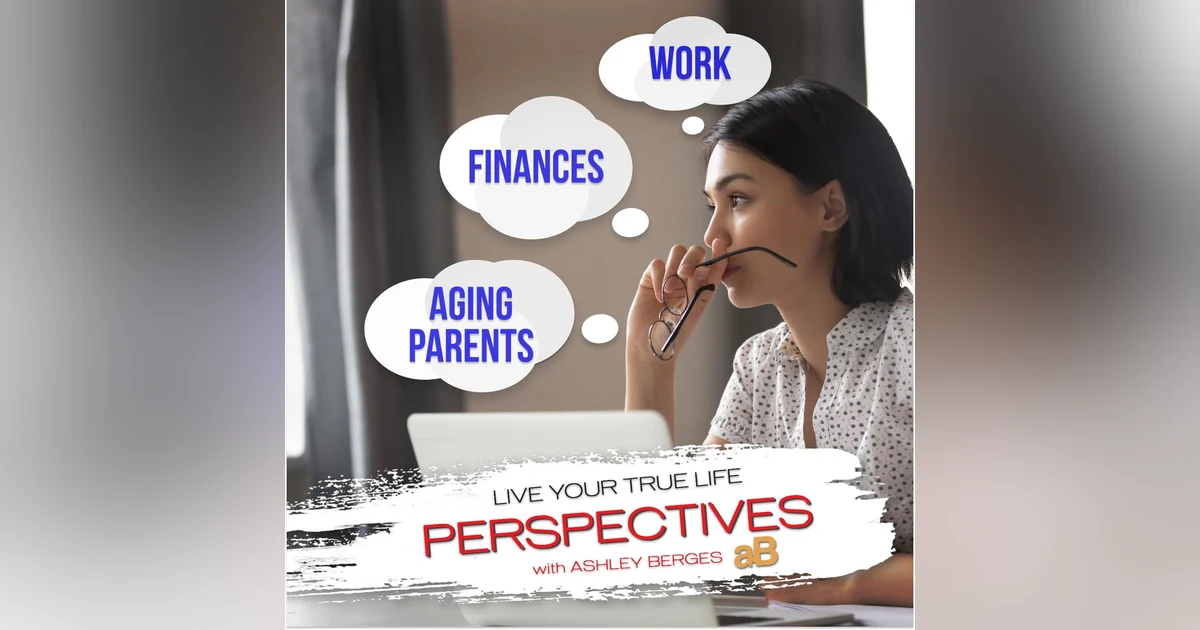

Our thoughts often revolve around where we are, what we're facing, and the uncertainties of the future. We may wonder what will happen to us, our friends, or our aging parents. Fear of the unknown can creep in, especially if we're an only child or...


 RSS Feed
Our thoughts often revolve around where we are, what we're facing, and the uncertainties of the future. We may wonder what will happen to us, our friends, or our aging parents. Fear of the unknown can creep in, especially if we're an only child or only responsible adult child with all of these responsibilities. It can feel overwhelming. How do we navigate these challenges? How do we process and respond to them? There are no right or wrong answers, there are no directions. We’re all just trying to figure it out as we go, hoping for the best. In today’s show, I want to discuss how we process these situations, compartmentalize our emotions, and move forward when a parent, family member, or friend isn’t listening to us or considering our thoughts and opinions. What can we do to put things back into perspective when we are trying to help our aging parents, family members, or friends and they don’t want to take our advice? We need to learn to be okay with that. We can offer guidance and support but can't force anyone to see things our way.
Become a supporter of this podcast: https://www.spreaker.com/podcast/the-ashley-berges-show--1272964/support.
0:06 You're in a good place now. You are listening to Perspectives with Ashley Burges's. Welcome Back Live to look Atrure life perspectives and I'm your host, Ashley Burgess. On today's show, I. Want to discuss our thoughts where many of us are. What we're dealing with a lot of the things that we're having to understand and overcome and try to figure out. Many of us have aging parents. Our parents are aging, maybe the memories are not as good as they were. We're trying to help our family and our parents and that dynamic to be healthier and happier than they were.
0:52 And many of us have fit parents and family that are cooperating, and many of us have parents and family who are not cooperating with us. They are not cooper with us at all. Many of you are also questioning what's happening in the future. You start looking at these things. You see your friends. For example, I have friends that are older than me and their parents are obviously older than my parents. And you see all these things happening in front of your very eyes, and you're wondering, when is this going to come to pass? For me? And some of us were already dealing with it. We're already in it. There's pieces of it that we're already seeing. There's situations we're already dealing with. There's situations in the future that we're anticipating. And I know some of you know how I feel, and I know how you feel that we're anticipating some of this, but we're not necessarily happy about getting it, and we're actually in fear. Some of us are also only children, the only child, so it comes down on us what do we do? And all that other stuff is going on too, like our work.
1:53 You know, what we're doing in our career, how our career and finances are going, how your family dynamic is going in in your actual household. You know, if you have children, how old the children are, what's going on with them, the school situation, your pets, if you have a dog and a cat, or an aging dog or an aging cat, and you know, trying to keep them alive and healthy and happy, and all this stuff going on. And it's just a lot. And the reason why I wanted to talk about this on today's show is that I think many of us are, well, we're kind of freaking out. It's like we kind of push this off to the side. It's the stuff that we think about. It's the stuff that we say, man, oh my god, I hope this doesn't happen, or what happens if that happens, or what happens if this happens, and we kind of push it off, hoping that it just never comes to pass, hoping that we can keep this at bay as long as possible and never actually deal with it, and maybe it'll just go away.
2:48 Maybe if we. Ignore it long enough, it will not come to pass. And I was at breakfast earlier today with a friend of mine and she's going through it. Family has been in assisted living and memory care and all that type of stuff for very long, for years and years and years, And we were talking about various other situations and friends and people we know that are also dealing with that who are a lot younger, and then looking at our own self and our own dynamic and trying to ask those questions and trying to figure out our situation, and it's like, you know, okay, what happens if we too are dealing with that? What do we do? And then looking at the horizon of healthcare at this time, you know how far along has medication come? How far along have pharmaceuticals come along? Where are we right now with the pharmaceuticals with memory loss, with keeping Alzheimer's or dementia at bay? Where are we with these types of things?
3:44 You know, is there some hope on the horizon or is there not hope on the horizon? And I know that many of you are questioning a lot of these things. You're questioning, you know, your own sanity, your own reality, what you're doing, what you're planning on doing in your life. You know, maybe you haven't had children, you're still thinking about it. You're still tossing that around. What if I do this? What if I do that? What if we adopt a child? What if we have in vitro? What if we have somebody carry a child? You know, what if I decide to get pregnant you know later on in life? You know all those things, And there's so many questions. And I think that many of us are at that point where you think, mine, there's so many responsibilities. I got so many things in my life, so many things inundating, so many things all at one time, constantly on a constant basis. What do I do? How do I deal with it? How do I process it? What do I do in these situations? And it's very interesting, it's a very interesting dynamic when we think about it, because there's no right or wrong answer.
4:46 There's no oh yes, do this, follow this. Protocol, do this, learn from these people, read this book, take this medication, you know, research this pharmaceutical company, don't do that, don't do this. There is no like directions. We're all going through this hoping and praying that we actually figure it out. We actually hope and pray that we figured it out. We hope and pray that something comes to pass. We hope and pray that we can figure it out. And I wanted to talk about this because I know that so many of you are in the same boat with me, and I'm personally dealing with it, and you know, I'm dealing with it right now. I'm the only child and I'm trying to help out. I'm trying to be there, and you know, I love my family, I love my parents, but it's like sometimes it's really challenging because again, we're the kid, right We're the kid, We were the child, and they don't always listen to the child. Not a lot of people listen to the child, don't listen to everybody else but the child. And it's like, you're not a child anymore. You're in your forties. Okay, It's like, well, why don't.
5:48 You listen to me, or you're in your fifties or you're in your thirties or not a child anymore. You see what I'm saying. It's like, come on, I mean, we're in a totally different age bracket, but they still don't seem to listen. Some more than others, for sure. But it's really challenging. And I was getting frustrated too the other day. It's like, my mother has been seeing the same you know, general practitioner, I'm sorry, internal medicine doctor, and you know, it's amazing what they overlook. And I know that they have lots of clients and lots of people, and maybe there's something to be said about, you know, limiting the amount of client base so that. You can give good care. But we can get past that right now. But it's like, what do you do when you're seeing something that obviously this person is choosing to overlook or overlooking or not seeing, and then how do you bring it up? And then when you do bring it up and the idea or the concept or the care or the idea that you have or maybe just going to a certain doctor or checking it out gets shot down.
6:43 How do you deal with that? And then not only how do you deal with the fact that they don't listen to you, right they don't listen to you, or not taking into consideration what you're saying. How do you deal with the repercussions of knowing that what you're saying is very important, knowing the impact of what you're saying and what you're asking for is very important, and knowing that if it's not taken care of, there's going to be a bigger problem. How do we deal with that feeling on the other side, how do we deal with that? How do we process that? How do we kind of get through that process? And that's the question in today's show is how do we deal with that? How do we process how do we compartmentalize or how do we let go of when a loved one isn't listening to us, when a loved one isn't taking into consideration our thoughts or opinions that have been well educated, well educated, well you know, acknowledged well, you know, you know, you've read a lot, you've educated yourself, you've gone online, you've gone into medical textbooks, you've asked other physicians, you've asked people, You've tried as much as you can, and you've got the skinny on what you think is a skinny at least the information you need.
7:59 But other people will not listen to you. Maybe they are also very angry and are very obstinate and refuse to listen to you. How do you deal with that? How do you deal with that? Because it's not really you know, the question is, yes, we can all sit there and say, hey, I want my mom or my dad, or my husband or my wife or my best friend to go get this done, or I want them to get the you know, I want them to get their heart checked, or I want them to do this, or I want them to do that because of X, Y Z. And you can bring it up to this person and this person thinks you're a nut job, or they literally say go go to hell or other words. Even the F bomb was used a few times in my situations. It's like, okay, but how do I process that after you don't accept my thought process? And I understand I get it. This is not an easy subject on anything anytime that we are dealing with illness, pain, suffering, memory loss, all these things.
8:57 And we don't live in this perfect world right now now where everything can be cured immediately. You know, some medications work others don't. You know, some tests are really tough on the body. Is it worth that? You know? Do you know once you find out? Is that a good thing to find out or is that a bad thing to find out? You know? I mean it's like trying to process all this information and still coming up wondering am I processing this right? Should I be feeling this way about it? Should I be feeling better about this? Should I be feeling worse about this? Where should I be in my mental state about this? Where should I be in my heart about this? Where should I be?
9:40 You know, it's you ask these questions, like, you know, what do you do? How do you feel? How do you process this? I know there's a lot of questions, but you know, not every podcast that I'm talking about is going to have begin with all these answers. We have to ask the questions, pose the question, look at it, process that Anybody that has empathy and care about other people in their life is going through this exact thing. What do I do? How do I get them the help they need? What if they don't want help? What if I'm talking to a brick wall. What if I know that even if they do get help, there could be still this other weird thing going on that you know, it's not going to lead to any solution, and it's just not gonna you know, it's just like, what do we do, How do we get past this?
10:22 How do we move forward? Question question question questions? And then how do we go back into our life and also take control and responsibility of our life. That's the other thing. It's very interesting when other people have health issues and problem and concerns, we get all inundated, all into their things. We're concerned about them. What are they doing going to the doctor's appointment? Is checking out? Did you get this test run? Did you get this? Oh? I was online. I researched for five hours about this, this and this and that. Have you done this? What about this doctor? What about this procedure? What about this you know? What about this protocol? And it's like we forget about ourselves as well. And one of the biggest things that I found though, is we got to walk the walk. We just can't talk to talk. So we might want other people to get some stuff done, to get some you know, some help, to go see a doctor, do all this stuff. But we got to be doing it too. We can't be avoiding it. We have to do it too. We have to make the effort to follow through in our own life to get our own stuff done in an effort to be proactive, very very very smart stuff. We have to be very proactive in our life and really make sense of things. And that's one of the biggest things that I've realized is that we have to look at things in importance level. What is more important, what is more important? After that, what is less important? What can we put on the back burner for a little bit, but not forever? You know, because some of these things get put on the back burner, we forget about it and then guess what, we have another problem that arises.
11:47 You know. It's interesting how you know, I. Know a lot of friends, family clients who you know, they have insurance and it's not until they're about to lose their insurance where they have to go look for another insurance, where like oh, I better get all these tests run, check up on myself. And it's because you know, we've had this this security blanket for the last year or two years or whatever, and then it's like, oh, I better go get this test run. Well, you could have had that test run, you know, a few months ago. But it's like putting things in perspective, putting things in order. What needs to get done? What can I do? What's the best thing for me to do? And I find myself at that crossroads constantly. I think if you don't find yourself at that crossroads, then you're not actually thinking about it, you're not putting any effort into it, and you're actually avoiding it. It's you have to be in that kind of like ugh state, you know, where it's like, I know, I need to get this done. Now what do I need to do. I'm gonna push myself to do somebody. I'm gonna push myself forward to get this done.
12:41 I'm gonna push myself forward to finishing this, to doing this, to doing that. And that is what's so powerful, is by pushing ourselves, motivating ourselves to do the things we don't want to do. And sometimes that you know, sometimes that rubs off on people around us, sometimes in a very very positive way that that helps other people. That helps other people, It gets to that point where they actually, Okay, you know what I do need to do that. I do need to do that for myself. I do need to make this happen. I need to make that happen. I need to follow up with that. I need to follow up with this. And I think in an effort to do that, we can impress on other people. And so when I'm turning to be talking more about that about how to really organize.
13:27 You know what we need to do. You know, how to organize what we need to do for others or get others to do. How to you know, how to reinforce what they need and actually get them to discover that, and then also how to step back and allow them to make their decisions. So stay tuned, live your True Life Perspectives with your host Mediactley Burtis will be back in. We'll be talking about all this. So stay tuned. We'll be back in. You know it. I'll be back this time in two shapes.
14:07 Turn it up and jump in the deep end on Perspectives. Now here's Ashley. Welcome back. Live to look a true life perspectives and I'm your host, Ashley Burgess. You know, we're talking about making decisions on healthcare, trying to help your mom and dad, trying to help others, trying to be there for them, trying to get them to think about their own care, trying to put it out there and sometimes, you know, getting positive reaction and sometimes getting shot down and told that you don't know what you're talking about it, told to be quiet, They're not going to do that. That's just not what they're gonna do. And knowing that you do know a bit of what you're talking about. You might not be a physician in that type of modality, but you have an idea of what you're talking about. You have an idea, you know what's going on, and so you think about this and you mull it over, and you think about it, and you mull it over and you think about it, and eventually you have to deal with the fact that either they're gonna come around or they're not. And that's one of the hardest things is to let it go and that and that's one of the things we be talking about in today's podcast and conversation is that I find that when we do have a feeling about something good, bet or indifferent, it's so hard to let it go.
15:17 It's so hard to let that person make the decision when you know that it's going against their health or they're not following what's necessary, and. We have to let it go. And it's hard. It's hard because we can bring it up, we can bring it up, we can bring it up, we can bring up that's fine, but eventually we got to let it go. And I know that many of you out there are the only child, or you're the only compassionate, empathic child, or you're the only one that's gonna be there. I'm talking about adult children. You're the only one that's. Gonna be there for your parents, or are your you know, your your grandmother or your aunt. You're the only one, And say you know that if they don't listen to you, they don't get the help, things are not going to go as well as possible. And you know that you're going to be the one dealing with it. You know you're gonna be the one having to deal with the situation in hand, which can be so challenging. It's so hard to just kind of go Okay, you know what, nothing I can do. I gotta move on here. And I've realized that I, you know, I gotta I gotta meditate on it. You know, some of you pray about it.
16:14 You can pray about it. That's fine, you know, as a lot of people say, I'm gonna hand this issue to God. Okay, that's great. However you have to do with it. But it's hard when you're empathic and you care and it's important, but also it's going to directly affect you as well, okay, And I think that's the hardest for us. And one of the things that I've realized that I have to do in those situations is I have to become proactive about my own life and my own health so that I don't really pontificate and pontificate on this situation so much where it makes me ill because I can get overwhelmed and overwhelmed and overwhelmed because if somebody's not listening to me, and I know that this is the best thing for them, this is the best case scenario. If they could like listen to this and take this in, it could really go really far. Life could be really great, or at least we could get some answers, or maybe we could offset some problems down the road.
17:04 You know whatever. It's like, you go, okay, please just take my advice. I understand that you know, I am your kid, but I am thirty or forty or fifty years old, and I am your kid. But still I'm an adult now, and I have done my research and I know what I'm talking about, and I've realized that in those situations, you have to kind of take the bull by the horn and take over your own life and start thinking about what are the things in your life that need to get done, What are the things that you need to take care of, What are the health things that you need to take care of involving yourself, what are the responsibilities that you need to take kind of a better look at. What are the things that you need to take a look at. As far as the things that you're missing in your life. Many of you out there haven't had children. You let your career take over, or you know your career was number one and you don't have children and you want to have children.
17:49 How do you investigate that? What do you do next? Is it time in your late thirties or early forties or whatever, or what about adoption or whatever, all these questions and you've got to start thinking about it because time is ticking. You're right, and we all have the things that we want to do, and we have to analyze what is it that I want to do? And we can see other people too, having those things that they could be doing, things that they could be focusing on, things that would give them happiness, or things that they've wanted to do that they're not doing. And I think sometimes when we go through that and we bring it up to other people and we bring it up for them to see, that's great. But if they're not going to do anything, we can bring it up a couple of times, but I think harping on it only just makes it worse.
18:29 Usually they'll stop talking to us. But also we just feel beat down, and so we need to turn it around on us and think about what is it that we need to be doing in our life? How do we execute this plan and how do we really focus on that, especially if something that other people are doing or not doing is going to directly affect us. Stay tuned, we'll be talking more about this subject. Live your True Life Perspectives with your host me Ashley Burdis will be back in I'll be back this time. You know it. I'll be back this time in two shakes. This is Jake Busey and you're listening to Perspectives with Ashley Burgess.
19:15 Welcome back live to Literature Life Perspectives, and I'm your host Ashley Burgess. On today's show, I'm talking about trying to help our family members, trying to let them know that we feel like they need to go to a doctor or a specialist for a certain thing. You know, being aware of certain life changes that would be helpful for the family and friends around us, you know, being able to communicate that, but also being able to step back even if they listen or don't listen. And it's very hard to step back. It's very hard to step back and be carrying an empathetic It's very hard to let people go down a road and not take care of themselves. It's hard to allow this to happen. It's difficult, it's challenging, and the biggest thing the process is the emotions and our feelings and you know, being fearful of what could happen or what can come to pass. You know, what if they don't do this. What if this doesn't happen?
20:12 What if they don't get this done? What? What if? What if? And then some of us are directly going to be impacted by the choices, whether made or not made by family, parents, or friends, And those choices we will be impacted by, yes, and they will impact us greatly. Yes, And unfortunately, in the being impacted greatly, we know it. We will be the one that's there to try to help to pick up the pieces, to be there for them. But we also know the impact that it will have on our day to day life. And so how do you manage to say that, hey, I think you need to check this out? You know, like, hey, you know, if you have a really close friend or family member who has a drinking problem, I really think that you need to kind of figure this out. I really think that you need to kind of get this under or figure it out or think about it, or you know, maybe go to rehab or go to you know, an outpatient rehab or do something like that to impact you. You know, if you have a family member that seems to be having memory issues, you know, how do you how do you have that conversation? And if you do have that conversation and they want to get help. Great, what if they don't want help? What if they refuse to see that.
21:25 What if you're worried that they're not going to have their memory intact? What if you know, if if, especially if you're going to be the major caretaker, caregiver, what happens then? You know? What what about you know, people that don't take they don't take health care seriously. You know, they have heart palpitations and all these different things, but they haven't gone to a cardiologist, and you're like, you got to go, and you're worried. And I had a client the other day was talking about their spouse, you know, was having thinking like they were having a heart attack, feeling bad. And I said, well, what happened? Have they gone to a cardiologist now? You know? And they're like, I'm worried for them. But I can't force them to do anything. And we can't force people to go. You can't force someone that's of age to go see a particular doctor.
22:10 You can't. You know, you can't put them in cuffs and put them in the squad car and you know, and kick their butt all the way to the doctor's office. It just doesn't work, you know. And then and then even then they can sit there and talk their way out of things. They can you know, they can appear certain ways, talk themselves out of things, misappointments, what have you. And I get it from many of you out there, you've been through this. I mean some of you that I'm listening to the show are current caretakers, caregivers for family members right now. And many of you saw the things happen. You saw things going, you saw the train moving in slow motion. You knew what was about to happen, but you did not know how to do it. You tried your best, you did what you could, you made the comments, you did the research, and it didn't work.
22:53 And how do we refocus that? How do we take. That burden off of us, even though part of that burden is gonna still be with this when it directly affects us later on down the road. And one of the things that I've found is that we can't just preach. We got to do. We can't just preach, We have to do so. If there's things that we need to do in our own life, or the things that we need to take care of in our own life, we can't just preach. We've got to make these things happen. We've got to do it. We've got to move forward in our life. We've got to believe that we need to take care of our stuff. And we also need to see where our family members, our friends become our mirrors. Okay, what I mean by that is mirrors are very interesting.
23:38 I'm not talking about a direct reflection of what you look like, because that's just not possible. But usually what I've seen a mirror is that a mirror is just different enough. To look different. It's just different enough for you not to catch what's really happening here. For example, people, I had a client the other day and they were saying, you know, hey, I you know, I'm starting to forget some things here and there, and forget names and dates and stuff like that. And I said, you know, it's interesting. You were bringing up the fact that your dad. You've been trying to get your dad to get help and he won't go and he seems to be getting lost all the time, and things like that, and I said, you know, maybe you need to go into urologist and get a baseline, just just get an idea of what's going on. I mean, sometimes we just need to be aware. You know, we might see it in others, but we need to also turn it around and look at ourselves. You know, there may be a friend of yours that you think is over indulging in alcohol and become to the point where it's not working for them, and and that's probably far from where you're at. But at the same time, it's mirroring maybe you're drinking a little too much at night, maybe you're having, you know, a couple of drinks you don't need to be having every night, and really focusing on that and seeing how other people can mirror us, and not just seeing it, but actually doing something about it, you know, doing something about it. So if you know, if you're not feeling well or you know, you're having anxiety attacks or whatever, and you all these stuff, it's like it's like putting you know, don't you know, like
25:09 really thinking about what do I need to do to better my health? Because if you're not around and you're sick and you're unable to help other people, you sure can't help family or friends. I mean, you have to be healthy. Yes, wealth is very wonderful, but if you have no health and your health is very poor. All the wealth in the world isn't going to do anything for you. I mean, you might be able to buy procedures and stuff, but you don't feel good and you're not you're unable to do things in your life. You're able, you're unable to exercise, move around, do what you need to do it. This is very important and so if you're seeing health issues with other people, this is a very big focal point because it's probably happening to some degree with you might not be in the same genre. But we need to focus.
25:49 And so sometimes after you've you've you've tried your best with the family members and friends, you've educated yourself, you try to have the conversations in the positive way. Now, remember there's a lot of these conversations when it comes to like memory loss and health and getting around and driving or not driving all these things. Like we have to be aware that this is going to be a challenge. We have to be aware that for other people it's hard for them to hear. It would be hard for you to probably hear and maybe not so much. But I think the older we get, maybe the prouder we get. And so realizing that some people are going to be very proud and hard to get to. They're going to struggle to take help. They're going to struggle to hear that they have a problem. And so we have to be able to kind of have the conversation with it with not like we're not forcing things, we're not making them feel bad. We're trying to say it in a very positive way, in a caring way. And you might get good feedback, you might get no feedback, you might get silenced, you might get very negative feedback.
26:51 And then you have. To realize when is the right time to bring it up a couple of times here and there, and again and again, until you've brought it up enough that you feel okay with. Letting it go. We have to bring it up enough in a way that we know that we've set our piece. We've said how we feel, we've offered solutions, we've offered help, We've done our research, we've reached out to folks, We've gotten information we need, we've provided information. We've provided you know, true information to the best of our ability. You know, we've exhausted. All of these opportunities so that we feel good about the situation. We feel good about what we've done. We feel good about what we've come to the table with, how we tried to help where we are that sort of thing.
27:45 And then, you know, all you. Can do is hope that that person will eventually take that information and do something with it. And if they don't, we have to be okay with it as well. And that's one of the hardest things to do, is to be okay with it as well. How do we get right with that? And that's one I believe that the only way of dealing with that is to say, okay, you know, I can't force anybody. I can't make anyone do anything. All I can do is bring the information, offer this to them, Offer to be there for them, offer to support them, you know, through this process. But I can't do anything else.
28:26 I can't force anybody to do things something. I can't force somebody to see my way on the other end of the table, though, I do need to look at my own side of the street. I need to look at my own backyard. What are the things that I need to be doing. What are some things that I haven't taken care of, What are some things that I have left to do for my life? Left to do with my life left to do for myself that's very important. What are some things that I can focus on right now? And many of you are saying, wow, you know I haven't gotten a check up in a long time. You know many of you women out there having you know, oh, maybe your obgi N is no longer. You got to go find someone. You gotta find an doctor. It's time. It's time to do what we need to do. But it's it's also to investigate and do your best of your ability to investigate in what is actually truly right, What is the best focused point and what can you do?
29:13 And so when you are feeling like you know that you don't you can't change something, when you're feeling helpless to a situation, maybe your father's not taking advice that you know he needs to go to a heart specialist. Maybe your father and mother's not taking advice that they need to go, you know, to a memory to understand about memory health, and maybe needing to go to neurologist to get a baseline to understand where they are to really kind of start opening that line as a communication. Maybe they're not willing to do that. Turn that on you and ask what are the things that I need to be doing right now that I haven't been willing to do for myself? What are some things that I can do right now? Take one thing at a time, don't take it all at one time. Take one thing at a time. What are some things that I can do?
29:55 What are some things that would be very helpful for me to execute in my own life to get done? What are those things? And think about it and ask yourself and really put together a list. It's time to put together a list of things that you can do. For you. And for others that you actually can have some sort of more control. For example, is there something that your dog needs? You know, is your dog dealing with you know, arthritis? Is your dog dealing with whatever issues? Allergy issues? That's how I'm saying. What kind of things can they do? What kind of things can you do? What kind of you know, holistic treatment can you do? If there's medical treatment that you need, you know, your cat, your children that are still underage, you know, do they need something and you can't? There are certain things that you actually have more control of yourself analyzing those things, putting together a list of things that will make you not only feel better about what you can contribute, will feel better about the augmentations and changes you've made, but also make you feel better about where you are in life. Because when we're trying to help people that are not wanting to help themselves, that do not want to listen, it can be overwhelming, sad, and scary, especially when you care about the other person and when you care about them, and also when their life directly impacts yours. I mean, you know, the direct impact and that you care about them are the double WHEMMI, Because it's like you really care.
31:24 You don't want to see something happen to them. You want them to be healthy, happy, You want them to live the longest life that they can in a healthy, happy way. But also you're like, okay. You know, if they don't want to take into my advice, okay, but what happens if this happens? What happens if that happens? Now, how do I deal with that? What's the impact there? What would have been easier? And it's hard to deal with And I've been watching it with a lot of my friends, with a lot of my clients. When it comes to their older family members, even some of their older children. You know, like stepping in with the drug addiction or the alcoholism you know, or the toxic you know, dynamic that they're married into or whatever. It's very challenging, uh, and being able to figure out, you know, what can I do and then turning that around on ourselves and saying, you know, what have I not done for myself?
32:12 What are some things that I can do for me? And I know that this seems probably like, oh my god, Ashley, like this is a you know, there's a lot going on, and it's It's true. It's our lives. Anybody that's an impath that cares about other people, that has you know, people in their lives, that wants the best for other people, that wants the best for themselves. All this is going through your mind twenty four to seven plus you know, your work, your responsibility, and everything else you have going on in the fact that you would like to have some fun in life and do things that you like and all these things, you know, and that's where it's like, Okay, this is where we have to realize, Hey, many of us are operating from this position. Many of us are trying, you know, trying to organize our life and find direction and really, you know, kind of focus and hone in on what we need to be doing. But there is all this other stuff going on in the background. And sometimes it's not in the background, it's in the foreground. Sometimes it's right in front of our face. Sometimes it's right there. And it can't just be pushed under, swept under the rug. It's got to be looked at. And so think about it.
33:15 What are some of the things that you can do right now in your life to power up your life? What are the conversations that you need to still have with family and friends. Have you had those conversations? How do those conversations go? Where they you know, where they heard? Was it on deaf ears? Do you feel confident? Do you feel like you need to bring it up a couple more times to go through it? Do you think that you need to help them to see that truth? Have you, you know, spoken your truth? Have you done the research the due diligence? Where are you with that and how do you feel about that as well as turning that back on you. What are some of the things that you can do. What's some of the research that you can research, like I was researching yesterday, like melatonin and the.
33:56 Impact on our memory. You know, I'm researching, like you know, sleep age and things that can be done, you know, holistic things that we can take. And I try to do that on a daily basis, at least for a few minutes a day, to try to research and find things that can make our lives better. And I'll add those to some of the conversation podcasts here in the future because I think it'll be powerful and helpful for everyone, because I do put a lot of time and energy into that, and so doing some of that for you, doing some of that for your family, but basically realizing, hey, when you've exhausted all this other stuff, it's time to turn it around and start looking. At what you can do. And when I return and be. Giving you some ideas and some thought processes and some journaling ideas to really start fleshing that out and figuring out exactly what you can do to empower yourself and empower yourself and also safeguard yourself.
34:45 And I'll help with that into some moments, So stay tuned. I'll be talking about that Literature Life Perspectives with your host me Askey Burgers will be back in I'll be back this time in two shakes. Get in here. You're listening to Perspectives with Ashley Burgess. Welcome back live to look at your life Perspectives, and I'm your host, Ashley Burgess. On today's show've been talking about the things we can do to put things back into perspective when we're trying to help our aging parents or family members or friends, and we're giving them all the best advice we can and hoping that they'll follow that because we care about them, we love them.
35:33 But also we're. Directly impacted by the choices they make or not make. We're directly impacted by the things that they do for their health or don't do for their health, and that can be very challenging, especially when somebody's not taking what you say, doesn't want to hear what you have to say, is too proud to do it, too scared to do it. All that stuff becomes a problem, and then there you are holding the back, wondering what you do next. And these are very challenging situations, and we have to find empowerment with our lives. So we can talk it, we can speak it, we can put it out there. But if somebody's not listening, and not taking into consideration we really don't have much to go with, and so ultimately it's trying to figure that out. Ultimately, it's like, Okay, what do I do next? How do I deal with this?
36:15 And being able to find what you need, being able to put into perspective the things that you can do to help yourself, and putting a list together. So some of my advice, which you know you can take it or you know you don't have to, but I think I think it can be helpful, is you know, writing up a list of things that you want to see in your life, writing up a list of things that you want to happen in your life that haven't looking at that, Also writing up a list of things that you know you'd like to see better about your health, the things that you think you need to take care of, and putting a list together things in order of what you feel is most important, and start working. On that list slowly but surely. And I feel like when we feel like we're powerless or other people aren't listening to us, or we're trying to help people but they're not taking that consideration, is pulling that list out and saying, Okay, hey, how can I empower myself by doing something for myself right now?
37:03 All these things are very helpful to figure out. All these things are very helpful to understand and figure out. And that's where I really want us to be. And it's like, you know, I found that, you know, the more we do this, the more we journal as well, like writing out how do I want my life to look? What are some of the things I'd like to change about my health, about my life, about my lifestyle, about my choices. Looking at our self sabotaging, you know, things that we do to self sabotage ourselves. And a lot of us don't realize how much we self sabotage. A lot of us don't realize that the level of self sabotage that we have, and that's very powerful in and of itself, and to realize that level is self sabotage and to see it, some of us self sabotage more than others. Some of us self sabotage at a bigger level than others, you know, but it.
37:49 Is still self sabotage. It doesn't really mean at what level, but some of us more than others, and those are things that we need to analyze those are things that we need to be aware of and seeing that if we are avoiding to taking care of stuff, or we are avoiding our health or those types of things, being able to see that and understand that and catching that in and of itself is very powerful, and we might see it in other people. Like I was talking about the mirror, we see other people self sabotaging, going against things, not wanting to take care of things, scared to hear the truth, scared of making changes, scared of changing their lives, scared, and that can also be a mirror for us in small ways. Maybe we're not as scared, but there's still things that we're fearful of or things that we're still avoiding and being able to rectify that because I found that when we find this in our lives and we're dealing with folks that are maybe you know, no, I don't want to do this, No I'm not going to follow that. No I don't want to do that, Okay, and it's like we finally we hit a brick wall.
38:43 Then how do we change directions and course correct? And we have to kind of really really focus back on ourselves and say where am I in my life that I'm doing this? Where am I doing this in my own life? Because I am some way, somehow doing it. All of us self sabotaged to some degree. All of us do us on a large level, on a large scale, some of us on a smaller scale. And these are the things that we need to analyze, These are the things we need to think about. These are the things that we need to put, you know, first and foremost on our list and really focus on that, especially when we're feeling like we're powerless or or that we could, you know, you use a little more oomed for direction in our life, because again it comes down to us.
39:25 Our health is directly related to us. We have to take care of our health in order to take care of the other people in our lives. So we need to put ourselves as focused. It's not about being self centered. It's about focusing on our health and taking care of ourselves and being proactive. If you haven't already, check out the new website we just readd the website Ashley Burgess dot com A s H L E Y B E R g ees dot com. Looking forward to hearing from you. You can also contact me by going to Ascyburgs dot com, clicking on that contact page and sending me a message, and I will get back to you asap because. I look forward to hearing from you. In the meantime. If you have any other ideas on some content or interviews, let me know on the show, and I'd love to hear from you. So in the meantime, I know you have a lot on your mind. I know you have a lot going on. I know that you have a lot of responsibilities, and I know that you're a superhero.
40:14 So keep it up. You got this. Going on, you can make this. You can do this, and in the meantime, empower yourself. Do the things that you need to do in your life to empower your life, to make your health amazing, and to feel good about yourself. You're trying with everybody else, You're putting it out there. Now it's time to. Research and think about what's best for you as well. Stay tuned new shows coming up every week, Live your True Life Perspectives with your host me, Ashley Burgess. Will be back in I'll be back this. Time, you know it. I'll be back this time. In three shakes,