Libsyn’s Next Chapter: Podcast Hosting, Video, Monetization, RSS and API | Brendan Monaghan #660


 “Podcast episode hosting used to be simple. You uploaded an audio file, generated an RSS feed, and distributed your show everywhere. That model still matters, but it is no longer enough for the modern creator economy.”
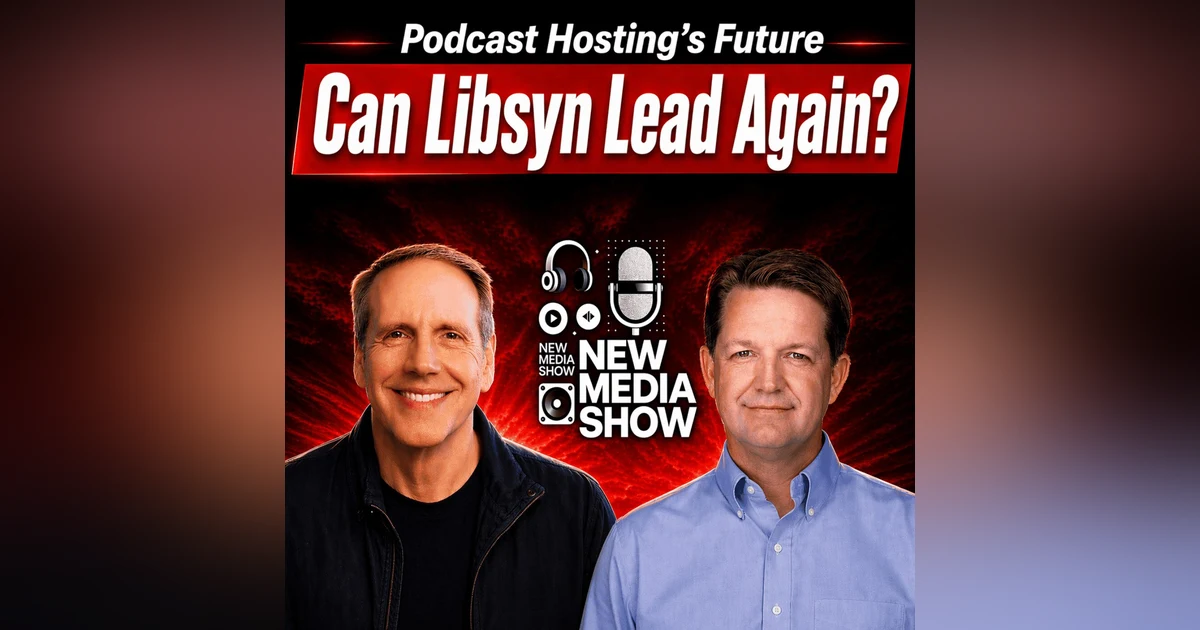
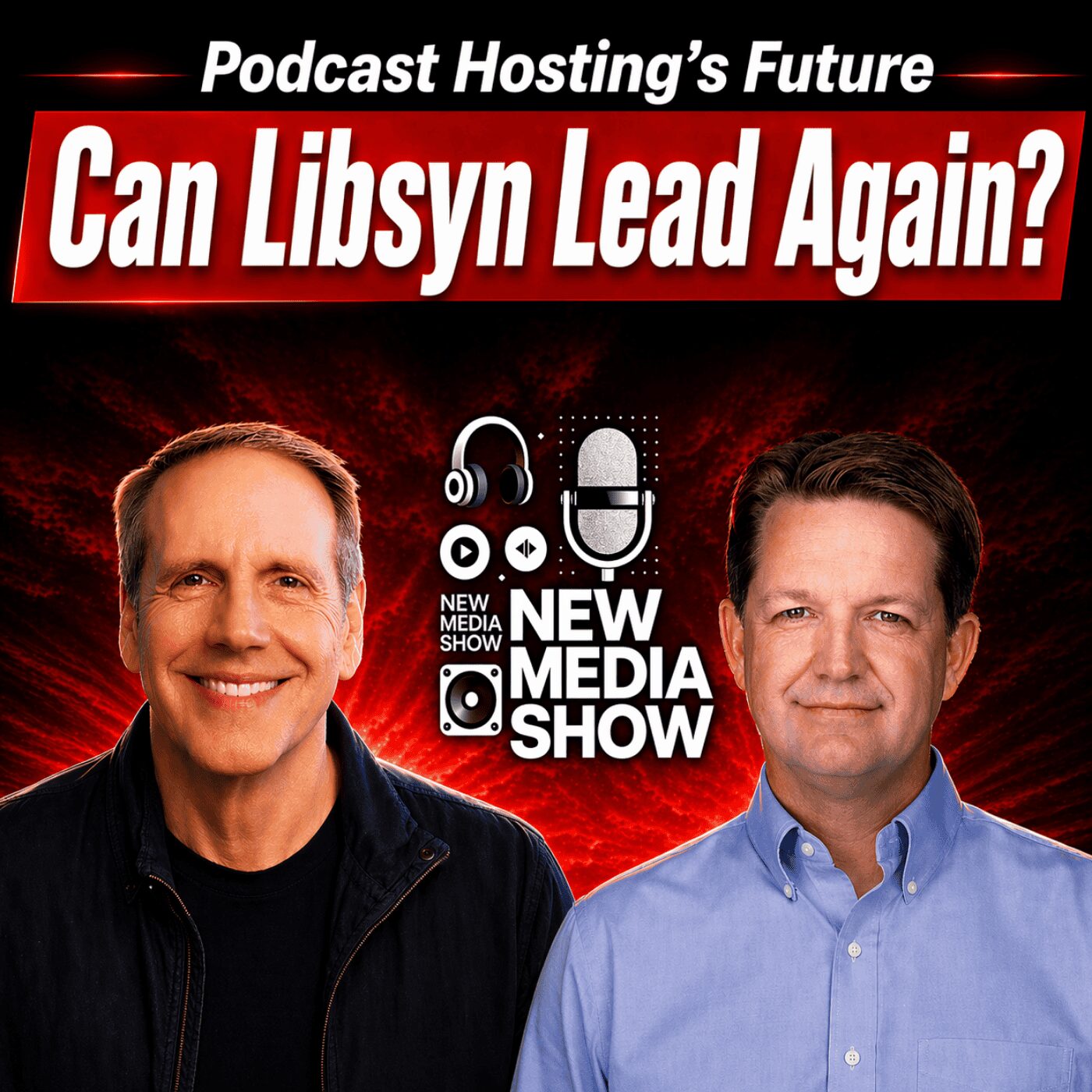
In this Episode 660 of The Live New Media Show, from April 22nd, 2026, Host Podcast Hall of Famer and Former Libsyn VP Rob Greenlee shares a screen and microphone with Brendan Monaghan, President and CEO of Libsyn, to explore how podcast hosting is changing and what creators should expect from platforms in 2026 and beyond.
This conversation gets to the heart of a major shift happening across podcasting and new media.
Hosting companies are no longer judged only by whether they can deliver a clean RSS feed and reliable file storage. Creators now expect monetization, analytics, video support, workflow efficiency, AI-assisted publishing, broader distribution, and real help with audience growth.
That larger shift frames the entire discussion between Rob and Brendan.
Brendan explains that Libsyn still carries the legacy of being one of podcasting’s earliest and most important hosting platforms, but the company is now operating in a far more complex environment.
Brendan points to Libsyn’s evolution from a technology-led hosting company into a broader creator platform that includes advertising and monetization infrastructure, especially after the company acquired businesses such as AdvertiseCast and Pair Networks. He argues that the modern hosting business must combine publishing, monetization, measurement, and simplicity for creators at every stage of growth.
Rob pushes the conversation further by asking the bigger industry question:
What should a podcast hosting company become now? That leads into a wide-ranging discussion about platform aggregation, creator workflows, newsletters, live events, merchandise, and the growing expectation that creators should be able to manage more of their media business from one place. Brendan makes the case that the future belongs to companies that can keep creators at the center while simplifying the growing complexity around distribution and monetization.
A major part of the episode focuses on AI.
Brendan breaks AI into three areas: how Libsyn uses it internally as a business, how AI can assist creators with production and publishing workflows, and how fully AI-generated content may affect the medium’s future.
Rob adds a deeper perspective by arguing that AI podcasting is already becoming more competitive than many in the industry want to admit. The two discuss whether the market will ultimately decide what AI content succeeds, why “AI slop” may be too broad a label, and why trust and disclosure may become much more important as synthetic media becomes harder to distinguish from human-created work.
The episode also dives into one of the most important strategic tensions in podcasting right now: RSS versus API publishing.
Rob and Brendan both acknowledge that most creators care more about simple distribution than the underlying protocol, but they also recognize that this shift has major implications for openness, platform control, and long-term creator independence.
Their exchange about Apple, Spotify, YouTube, and the shift toward more controlled video delivery models reflects a broader market reality: creators increasingly want to be everywhere, but the mechanics of getting there are becoming more fragmented and platform-specific.
Another strong section of the conversation centers on video.
Brendan says Libsyn intends to be a leader in video, while Rob raises a practical concern many creators are just beginning to feel: a show that works well on YouTube may not automatically translate well to an audio-first experience, and a show built for traditional audio may not fully satisfy video-driven discovery environments. That raises the possibility that creators will need to think more deliberately about format, audience expectations, and whether a single production workflow can truly serve all platforms equally well.
The conversation becomes especially valuable when the two discuss metrics:
Apple’s HLS direction, and what streaming-style delivery might mean for podcast measurement and advertising. They point to a future in which the industry may move closer to actual listening signals rather than relying so heavily on download-based assumptions. If that happens, it could affect CPMs, ad sales, programmatic video advertising, and the broader economics of the medium.
Rob also frames one of the biggest unresolved questions in new media today:
If AI-generated shows become easier, faster, and more polished, what will human creators need to do to remain distinct and trusted?
The answer that emerges from this episode is not panic. It is focus, transparency, stronger format thinking, and a deeper commitment to serving audiences with clarity and value. That makes this episode less about Libsyn alone and more about the future structure of podcasting itself.
Topic Chapters and Timestamps
00:00 Podcast hosting is no longer simple
01:00 What creators now expect from hosting platforms
02:00 Brendan Monaghan introduction and background
03:00 Why Libsyn’s legacy still matters
05:00 Hosting, publishing, monetization, and measurement
07:00 How Libsyn expanded its monetization business
08:00 Why creators should not need to leave Libsyn to scale
09:00 How monetization changed podcasting
10:00 Lowering barriers for creators to earn revenue
12:00 What the future hosting platform should become
13:00 Newsletters, live events, merchandise, and creator tools
15:00 AI and creator workflows
16:00 Brendan’s three-bucket view of AI
18:00 AI-generated content and the “AI slop” debate
20:00 Why the market may decide what AI content wins
23:00 RSS versus API publishing
25:00 Simplicity and multi-platform distribution
26:00 Why RSS matters less to end users now
28:00 Open versus closed ecosystems
29:00 RSS innovation and slow adoption
31:00 Apple HLS and changing audio-video delivery
32:00 Platform control and the walled garden debate
41:00 Measurement, streaming, and actual listening data
43:00 Programmatic video ads and creative formats
45:00 Why video creators may need to think more like audio creators
47:00 Can AI help bridge the gap between formats?
49:00 Audio loyalty versus video momentum
50:00 The growing pressure on creators to win everywhere
51:00 AI Algorithms, the first audience for human content
53:00 Are AI-generated shows driving growth?
55:00 AI clone content and rising competition for humans
56:00 Why AI labeling may become essential
59:00 What Libsyn will focus on over the next 24 months
01:01:00 Audio, video, audience growth, and execution
01:03:00 Staying focused on core creator needs
01:05:00 Closing thoughts
This episode answers key industry questions that creators, executives, and media strategists are increasingly asking:
-What is Libsyn doing next under Brendan Monaghan?
-How is podcast hosting changing in 2026?
-Will video become a required part of podcast distribution?
-What does Apple’s HLS move mean for audio and video podcasting?
-Is RSS still the future, or are APIs taking over?
-How will AI-generated content affect podcasting, trust, and monetization?
-What should creators expect from modern hosting platforms now?
-Those questions are directly addressed in this discussion, making this episode highly relevant to search, social discovery, AI answer engines, and recommendation surfaces.
Guest and Show Links
Brendan Monaghan, CEO of Libsyn
https://Libsyn.com
Host Rob Greenlee and Show Links
New Media Show: https://newmediashow.com/
Rob Greenlee: https://robgreenlee.com/
Trust Factor Lab: https://trustfactorlab.com/
Adore Creator Network: https://adorenetwork.com/
Podcast Hall of Fame: https://podcasthall.com/
Rob Greenlee YouTube: https://youtube.com/@robgreenlee
Rob Greenlee LinkedIn: https://linkedin.com/in/robgreenlee
Rob Greenlee Instagram: https://instagram.com/robwgreenlee
The post Libsyn’s Next Chapter: Podcast Hosting, Video, Monetization, RSS and API | Brendan Monaghan #660 first appeared on New Media Show.