Sharing your Mission through Stories - Purposepost.com | Shate Hayes - Ep 161
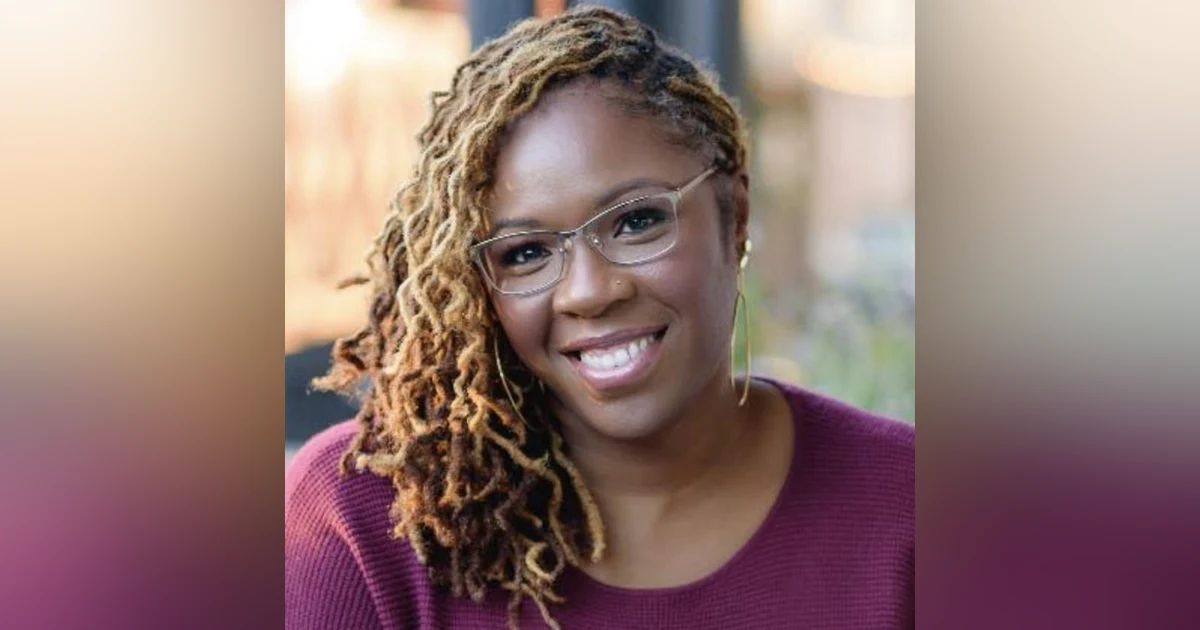


BIO:Shaté Hayes is the secret weapon behind countless professional success stories. A former dancer turned content and program producer, she helps her clients tell the story of their purpose-driven body of work. With experience leading career programs for thousands, Shaté has cracked the code on transforming hidden entrepreneurs into opportunity magnets.Links:
- What does purpose mean to you?
- Why does it matter to our overall health and wealth?
- What's a simple approach to purpose someone could do today?
1:33 Dr Steve: He just scared himself he was playing with this. Dr Steve: That's what he was just playing with. He can be a player. He's allowed to be a player. With that he ran in here. Dr Steve: It's so much energy right now. Dr Steve: All right, go play with them fast. Dr Steve: Look how much energy he has.
2:26 Shaté (sh-tay) @ CareerSteward.co: Hello! How are you, Dr. Steve? Dr Steve: I'm all right. Happy. Friday. Shaté (sh-tay) @ CareerSteward.co: Yes, happy Friday, indeed! Dr Steve: I'm just getting a couple of things set up real quick. Dr Steve: I got what you sent me. Shaté (sh-tay) @ CareerSteward.co: Perfect. Dr Steve: All I really need Dr Steve: I don't know if I if you did it. I don't see it. But I don't. I don't have any info in the Dr Steve: in like the intake form. But are there are there a couple of questions that you want me to ask you? Specifically, at least in the beginning, to kind of kick it off. Shaté (sh-tay) @ CareerSteward.co: Yeah, yeah, I did send a couple of questions in that email. I shared. Dr Steve: Let me take a look. Oh, oh, what does purpose mean to you? Okay, I got it. My bad. I didn't see it there. Okay, all right, we're good. That's enough to get going.
3:12 Shaté (sh-tay) @ CareerSteward.co: Let me test this microphone. I was having some trouble with it before, but I wanna give it a try one sec. Dr Steve: Okay, it's it's it sounded pretty clear. I usually do a little tech check. But you're Dr Steve: it. It's it's loud enough. The big sometimes people stand. They have a mic, and then they're like 20 feet from the mic. And Dr Steve: that's not very good either. Shaté (sh-tay) @ CareerSteward.co: Is this? Dr Steve: Cool. Shaté (sh-tay) @ CareerSteward.co: Better or worse. Dr Steve: It's fine, it's the same. I got this cool little like Dr Steve: remote mics. I just started using. Shaté (sh-tay) @ CareerSteward.co: Nice. Dr Steve: Yeah, they were. They were like $20 on Amazon. So I'm like, how big, how good can they be but Dr Steve: like this plugs into your phone. Dr Steve: Then you clip, you clip these things like, you know, on your shirt, or whatever that Dr Steve: actually, the quality was better than I expected to be. It's not great. This this microphone's better.
4:02 Dr Steve: But it should be. I mean, it's expensive. But Dr Steve: yeah, I do. I do enough mobile stuff, you know, so I can kind of just lay my phone on a table and put a microphone with somebody. And we just talk. And it Dr Steve: it works out. The problem is back. Whoa! Picking up background, noise. Shaté (sh-tay) @ CareerSteward.co: Yeah. Dr Steve: Oh! Shaté (sh-tay) @ CareerSteward.co: Have to look into it. Dr Steve: Yeah, it's I don't know the name of it Dr Steve: I got. I just just search Amazon like Dr Steve: remote mics or something, but they're different like if you have an iphone versus a Dr Steve: droid, or whatever, because they have different adapters, the really good ones are like $120. And I figure I'd buy a cheap set. And if they, you know, if I use it, I'll I'll maybe upgrade or something. Okay. So as we discussed.
4:52 Dr Steve: typically, I shoot for about 2025 min. I find we can cover enough substance, and Dr Steve: but at the same time it Dr Steve: it does. It tends to not like push. What I think of the attention span my audience has always indicated. Shaté (sh-tay) @ CareerSteward.co: No. Dr Steve: Let's see, I just do write one thing down. Dr Steve: What did I do with that? Dr Steve: I I have like notes spread into like 3 different planches for you.
5:34 Dr Steve: Okay. Dr Steve: all right. You ready to go. Shaté (sh-tay) @ CareerSteward.co: I'm all set. Dr Steve: Okay. So here's what I'm gonna do. I'm gonna I'm gonna sort of just be quiet for like 2 seconds, because it's easier to edit later, because I see this gap, I kind of count down 1, 2, 3. What I'll usually do is I'll do like a little. I have my own like sort of there's gonna be a song Dr Steve: like an intro that plays that I'll slice in later. Dr Steve: And Dr Steve: I have kind of like welcome, hey? Great to have you here. Welcome back this is if you're counting. Episode 168 Dr Steve: about that. Huh? Yeah, 1, 6, 8. Shaté (sh-tay) @ CareerSteward.co: Congratulations. Dr Steve: Yeah, yeah, yeah. So I actually have 200 more that I took all I pulled down because the Dr Steve: it was getting to the point like I had to pay all this money to host them, and they were just old. And I redid a lot of them doesn't really matter.
6:27 Dr Steve: Okay? And some say it's it's Chate, right. Shaté (sh-tay) @ CareerSteward.co: Perfect. Dr Steve: She takes, she takes, she takes, she takes. Okay. Dr Steve: yeah. I was going to say, like, Shayte, you probably get that or shate. Okay, all right. It's always nice to pronounce somebody's name properly. All right, you ready to go so Dr Steve: hey? Everyone, Dr. Stephen Green, here the success, doctor. Dr Steve: welcome back to the make the grade podcast experience Dr Steve: get this. We are up to episode 168.
7:07 Dr Steve: Can you believe it for those of you who remember episode one Dr Steve: way back in like 2018 dang. Dr Steve: I don't even think they had cell phones then. Dr Steve: anyway. I got a great guest today. Dr Steve: and they're right in our wheelhouse, right? You know what we like to talk about here, anything and everything that helps you to level up your life, whether it's in business, in sports, in academics, in personal development, in gardening. Dr Steve: it's not important. It's all about getting to the next level, but not just getting there staying there. Okay, so our guest today Dr Steve: is Shetai.
7:47 Dr Steve: It's extinct showing one name, anyway. Shitay, how are you doing? Say hello to everybody. Shaté (sh-tay) @ CareerSteward.co: I'm doing well, Dr. Steve, thanks so much for having me. It's a pleasure. Dr Steve: Absolutely. I'm honored to have you, hey? I was just joking. She actually does have a last name to Tay Hayes is the secret weapon behind countless professional success stories. Okay. A former dancer Dr Steve: turned content and program producer. She helps her clients tell the story of their purpose-driven body of work. Hear that purpose-driven Dr Steve: with experience. Leading career programs for thousands cracked the code on transforming hidden entrepreneurs into opportunity magnets. I like that. I like that. So let's start with this, maybe.
8:30 Dr Steve: Just give me give me a little background. I you might not have been born as a opportunity magnet. Dr Steve: as you Dr Steve: or a, you know, cracking the code that takes a little bit of time. So maybe just, you know, tell the audience a little about your journey, how you got to where you are, and then from there, let's get into. You know, the whole idea of purpose. Okay, so Dr Steve: tell us what give you guys what's your quick bio? Shaté (sh-tay) @ CareerSteward.co: My quick! Dr Steve: Start in the beginning. Shaté (sh-tay) @ CareerSteward.co: Yeah, yeah, so my entire life in about 60 seconds. Dr Steve: The highlights. Shaté (sh-tay) @ CareerSteward.co: Yeah, my 1st career. I was a professional dancer choreographer. I adored that work and got to do so many amazing things choreographed for tons of theater and worked overseas and taught. I feel like everybody in the world, you know, dance classes and performed a lot, and there were just so many moments where I was like. Oh, my gosh! This feels awesome, and everyone deserves to feel this way about their work everyone deserves, and unknowingly it sort of sent me on this trajectory into Shaté (sh-tay) @ CareerSteward.co: career development. So after about 12 plus years in my dance career transition to workforce development, which is where I, you know led career programs, teams. And now I'm in a world where I'm integrating the 2 and sort of still Shaté (sh-tay) @ CareerSteward.co: just love telling the story. I still believe I firmly believe everyone deserves to have a sense of pride and purpose in their work, and that is, you know, my life's work to kind of help make that happen, and I do that one of the ways I do that is, through helping them tell the story of their work in a way that makes them feel proud about it.
10:01 Dr Steve: And when you say work. Dr Steve: I could be interpreted a couple different ways. Do you mean their career. Dr Steve: their job? Maybe their entrepreneurs, their vision, maybe. Just define that a little bit. Shaté (sh-tay) @ CareerSteward.co: Yeah, to me. It's all the same. When I say body of work, I mean what you do for a living right? And so it could manifest as a 9 to 5 job. It could be that you're an entrepreneur, even if you are an entrepreneur. That is still your career, right like that. Dr Steve: Is, the. Shaté (sh-tay) @ CareerSteward.co: That you do so. It is what you do to earn a living is what I. Dr Steve: A lot of people their their identity is so interwoven with what they do. Shaté (sh-tay) @ CareerSteward.co: Yes. Dr Steve: You know there's there's Bill, you know. He's the he's the dentist, and there's Dr Steve: Joe over there. He's an accountant, and there's Phil over there. He's a laborer I don't know, not not no judgment just saying. That's often how people get identified externally, and probably their own sense of self Dr Steve: comes that way, too. Then I've spent my whole career as an educator.
11:03 Dr Steve: I think it's sort of wired into my DNA to want to help people, you know, teach people, and and I get a lot of Dr Steve: satisfaction from seeing people, you know, move through levels and eventually become more independent. Dr Steve: So how does your idea of purpose Dr Steve: fit into all of this? Right? Because some let's let's be honest. Some people are in jobs they don't like. Shaté (sh-tay) @ CareerSteward.co: Yeah. Dr Steve: Some people in careers they don't like. Some people are just unhappy. Dr Steve: So how do you? What's your role? Is it like a coaching role, a mentoring role? Dr Steve: Let's explore this a little bit. Shaté (sh-tay) @ CareerSteward.co: Yeah. So I will say one. I deeply understand the feeling of sort of being connected to your identity being connected to what you do. I don't necessarily think it's the healthiest thing anymore, considering how I had a identity crisis when I left my dance career, you know, I was like, oh, how do I face the world as anything other than a professional dancer? And even though I made the choice to do that, it still caught me off guard to be like gosh! Who am I now? What's my mark on the world now? So that is.
12:10 Shaté (sh-tay) @ CareerSteward.co: that is very real. Shaté (sh-tay) @ CareerSteward.co: And the thing I would say about purpose. You know there's a lot of pressure that people put on purpose right like. Oh, I don't know what I'm meant to do, and so I must not be meant to do anything, or you know, I've seen on the Reddit thread find a path where people just sort of like the amount of despair. You can kind of sense when people don't feel like they don't know what they're here to do Shaté (sh-tay) @ CareerSteward.co: is really quite heartbreaking to me, though I would love for us to take the pressure off of purpose like, and so I wouldn't. I don't even think purpose is necessarily this one thing that you're meant to do, or I would say it doesn't have to manifest in one way throughout your entire life. And so, if we could think of purpose as Shaté (sh-tay) @ CareerSteward.co: what you're meant to do in these seasons, like sort of these assignments like, are you? So are you where you're meant to be in this moment.
13:02 Shaté (sh-tay) @ CareerSteward.co: and if you happen to evolve past that moment, then it'll be time for you to figure out what's the the next assignment for the next season. So it's just kind of like, how are you somewhere planted somewhere at the right time? Dr Steve: The right. Shaté (sh-tay) @ CareerSteward.co: Thing is is sort of how I perceive how I experience purpose. Dr Steve: So it's sort of somewhere in between. Dr Steve: What do you want to be when you grow up. Dr Steve: and what gets you out of bed and excited. In the morning. Shaté (sh-tay) @ CareerSteward.co: Yeah. Dr Steve: Right. So do you. Would you use use the word purpose? Maybe, as a synonym for motivation? Dr Steve: I I go. I get where you're going with it. So so okay, let's look at. I think this can work in a couple of ways, right? So Dr Steve: so when you you're Dr Steve: job, I guess, or your service. I don't know what how you want to describe it is to help people clarify what this purpose is, or to help them build it. So let's let's discuss that. So.
14:03 Shaté (sh-tay) @ CareerSteward.co: Yeah, it's it's more along the lines of helping them to tell the story of it. There are some people that do come to me, though, and they're like I don't know what the heck you know I'm supposed to do. I've done this other thing for the past 20 years. I've had this real job. And now I want to do the thing that actually lights me up. So there is some part of the work where I am spending time with folks, helping them to have this self-awareness like, what are your strengths now? What are your interests now? Shaté (sh-tay) @ CareerSteward.co: Right moves you is really really important. But the part that lights me up even more than that is to help them tell the story of it, especially when take someone like me who has a dance background and then went into Ed tech and sort of this career space and then, now is doing this other thing. What's the through line in that. How do you tell the story of that like? How do you make sense of it in a way that gives you still a sense of pride and purpose in that is the thing that I think Shaté (sh-tay) @ CareerSteward.co: the essence of what I do. It's the storytelling, the strategic storytelling around that that body of work. But yes, there are instances where someone's like. I don't even know what I'm doing. Can you help me? And I'm like, sure you know.
15:06 Dr Steve: So the storytelling. Would that be through a book? Would that be through speaking? Would that be through? Maybe music, you know. Would it be through art. Shaté (sh-tay) @ CareerSteward.co: Yeah. Dr Steve: Or or all the above, or anything of the above. Shaté (sh-tay) @ CareerSteward.co: Yeah, it's whatever capacity the entrepreneur needs. So it could be, you know, for some, it's like Shaté (sh-tay) @ CareerSteward.co: organizations need like blog posts or impact stories. It's been for some impact driven organizations. It's been quite a number of impact stories, but it could be speeches, books, right less along the lines of like social media content, although it could manifest in that way. If you. Dr Steve: Want to be. Shaté (sh-tay) @ CareerSteward.co: Telling your story on Linkedin, but more around the bigger picture like, who am I? What's the work that I'm doing? And how am I telling the story of that work.
15:52 Dr Steve: So it's a long. It's a long form, content. Shaté (sh-tay) @ CareerSteward.co: Hmm. Dr Steve: You're going to do it that way. Long form content those you out there. Short form content would be like a Facebook post, or. Dr Steve: yeah, maybe paragraph or last long form would be Dr Steve: several, maybe a chapter, you know, an article. And Linkedin kind of thing. Dr Steve: Okay? So the the purpose of this Dr Steve: is partly, I think, to help people clarify, maybe in their own way. Shaté (sh-tay) @ CareerSteward.co: - Dr Steve: Some people sort of just drift along. Well, I don't even realize I really like this, or all of a sudden. Hey, what happened in the last 10 years. Dr Steve: So okay, so somebody now finds their purpose. And maybe they and I've coached a lot of people on writing books ebooks. I've done a lot of that. So sometimes they're functional, you know. I want to write an ebook because I want to sell something, or sometimes it's sort of cleansing like people write memoirs almost once once this happens.
16:51 Dr Steve: what's the next step like? If you can guide people through all right now, I know my purpose or feel good about it. Dr Steve: that then what is is there like a drop off point, or do you continue to help them? Shaté (sh-tay) @ CareerSteward.co: Yeah. So the point, I believe, in my opinion, is for them to be able to tell it in a way that helps them to grow that work, and so, just like you named all the different channels that it can manifest. For some it could be writing the book, some it could be speaking on stages. Some it could just be relaying the message on the scale to their communities, on Linkedin or on their newsletter. Right? And so it is. Shaté (sh-tay) @ CareerSteward.co: How are you telling that story in such a way that one people understand who you are and what you do, and 2 to the opportunity magnet piece of it. It is like they're then reaching out to you to say, Hey, you know, like, how can we work together? How can I support what you're doing. I can't tell you how many times in my own career alone I have literally written my way to an opportunity, or someone has been like. Oh, I heard you were on this episode of this, or I saw you do a Linkedin live, or I read the story you put on Linkedin.
17:57 Dr Steve: Movies. Shaté (sh-tay) @ CareerSteward.co: That right? And so you're sort of drawing people to you by the stories that you're telling by the messages you're conveying. Dr Steve: Interesting, very interesting. Can you give an example like it? Doesn't, you know? Obviously want to? Don't want to violate any confidentiality, but may maybe could just like, get through a little case study, maybe where you could explain this Dr Steve: help. People kind of Dr Steve: maybe because what I'm trying to do is, get the people in the audience say, Hey, you know what I get it like. I got a story to tell. Maybe I'm not even sure where to start. Dr Steve: Sure, if it's important, I'm not even sure if anybody cares, and maybe that's not even the point. It may be just help oneself Dr Steve: kind of get clear. But is there, you know one example? You can think of that. Maybe. Would.
18:44 Dr Steve: you know, maybe almost like a before and after, or a process based thing that you wanna Dr Steve: you want to get into a little bit. Shaté (sh-tay) @ CareerSteward.co: Sure there's 1 entrepreneur who, you know, had had this very actually. Shaté (sh-tay) @ CareerSteward.co: What's the word I can use distinguished sort of career before she began to sort of freelance or work independently in this way, and she'd like lots of accolades, just like really, really great work. And now she had gotten to the season in her life where she's like. Now I'm doing this thing on my own. It's kind of taking borrowing from what I've done in the past. But I'm sort of reimagining in this new way, and Shaté (sh-tay) @ CareerSteward.co: that's all I know, like I don't know it doesn't feel organized. I don't even know what I'm saying about it. And so together, it was like, Okay, we found the through line. What's the connective tissue? And all throughout her entire body of work? What is the cause that moves her now? And we put language to that? We put words to it for her. It was important to be able to have that represented in a clear bio that she felt proud of. She was like feeling.
19:41 Dr Steve: Really. Shaté (sh-tay) @ CareerSteward.co: About submitting her bio to this organization that wanted to put it up. And she was like, I don't know what to say. Sort of like this angst around it. Dr Steve: So for her. It looks. Shaté (sh-tay) @ CareerSteward.co: Like, Okay, this is my bio. This is sort of like this, the small pitch. And then we also put together some landing pages for her, and and the transformation of that, just the amount of confidence that she was able to get from that was amazing. But then it also helped her to land other contracts that she, without that confidence, without that clear story likely, would not have been able to get. Dr Steve: So it's a little bit of an element of branding in a business sense. Dr Steve: Yeah. Dr Steve: I know it's not branding like the color or your logo. It's more a clarity, a clarity of communication about what you're what you're there for, right? Which is really important. That's I mean, I'm I coach a lot of entrepreneurs, and one of their Achilles heels. Achilles heels Achilles heels Dr Steve: of their one of their challenges is concisely and clearly elucidating what they do who they serve, what they do for them, and why they need them.
20:49 Dr Steve: Exactly, and I'm sure there's more Dr Steve: to what you're doing than that. But it can certainly fit into it. So okay, by the way, my guest is Shete Hayes. Dr Steve: she'll help you figure out your purpose. But, more importantly, how to talk about it. This is Dr. Steve Green, the success doctor. Dr Steve: We are here on the make, great experience podcast Dr Steve: and we learn a lot. This is a little heavy. Right? This is good. This is deep, but you can't be afraid to go there. And again, it doesn't really matter where you're starting. Right. So let me let me ask you a question. Dr Steve: How does all this fit in to somebody's mental state? Their health.
21:31 Shaté (sh-tay) @ CareerSteward.co: Right cause. We live in a world that's full of anxiety, right? Dr Steve: Everybody's, you know, stuff. Everybody's got stress. Everybody's got financial stress, whatever. Dr Steve: So what? What do you think about that? How? How does this. Dr Steve: Does this help? I know this isn't medical right. Dr Steve: But you know what's what's your feeling about this. Shaté (sh-tay) @ CareerSteward.co: So I love this question because, just like you said earlier in the conversation, there's so many people who really sort of aren't enjoying what they do. Maybe they loathe what they do. Maybe they're just tolerating what they do. Dr Steve: And. Shaté (sh-tay) @ CareerSteward.co: The idea of purpose is so important to me, because I believe that it drives career fulfillment, like when you feel like you've got a sense of pride and purpose in your work, then you are likely more fulfilled in what you're doing. I will say this disclaimer that doesn't mean that you have to be making a living, doing your purpose work. You could very much just take a job that feels easy and pays your bills, but still be doing something purpose connected on the side totally fine.
22:29 Shaté (sh-tay) @ CareerSteward.co: But what I will say is that there have been articles posted studies, I imagine, done based from Shaté (sh-tay) @ CareerSteward.co: probably why these articles were written is what I'm trying to say Shaté (sh-tay) @ CareerSteward.co: that say, like, when you hit your job, it is costing you all of these mental and physical challenges. So, for example, you're losing sleep. Maybe you have digestive problems. Shaté (sh-tay) @ CareerSteward.co: Mention the stress exactly. Shaté (sh-tay) @ CareerSteward.co: Anxiety, depression. Like all of those things. Shaté (sh-tay) @ CareerSteward.co: Our results like happen when you hate your job, not to mention relational like, what is it doing to your relationships? I've personally been in a situation where the people around me was like, Oh, my gosh! Like all you do is complain about your work like that costs you. That was an article that was in the Huffington Post, and then there was an article on business insider that was like, when people love their work they accumulate more wealth Shaté (sh-tay) @ CareerSteward.co: than people who don't. And not only do they accumulate more wealth, they accumulate it faster. So if you think about it when you hate your work, when you're not sort of working in this purpose. Driven type of way, you're compromising your generational health and your wealth like it. Is it is that important, in my opinion.
23:43 Dr Steve: Wow! Dr Steve: Before we forget. Dr Steve: how would somebody get a hold of you? How do you want to be contacted? We'll have all this in the show notes. We always do. But is, do you? Is it email website? Dr Steve: But just so, everybody knows, how would you want people to reach out to you. Shaté (sh-tay) @ CareerSteward.co: Yeah, I think the best place to go where you can get some really great inspiration on purpose. But then also you can, and Shaté (sh-tay) @ CareerSteward.co: submit your information to stay connected with me, to get all the the purpose-driven stories that I share is@thepurposepost.com. Shaté (sh-tay) @ CareerSteward.co: So I'd love to have you. Dr Steve: The purpose posting. Oh, God, beautiful! Dr Steve: Let's talk about. Dr Steve: Let's talk about how let's talk about proc success. Okay.
24:29 Dr Steve: So I think the idea makes a lot of sense right. But how does somebody go about doing this? Is there a basic approach that you Dr Steve: have, or you run your your clients, your your proteges, through, to make this happen. Shaté (sh-tay) @ CareerSteward.co: Yeah. To me the process is very similar to you know I do a good bit of writing for national publications as well like writing on career and business topics, basically professional development. For you know, a dance magazine or point, or things like that. It's the same way that I would approach that and sort of a journalistic approach. We have conversations. I'm asking you questions. I'm interviewing you like. Give me Shaté (sh-tay) @ CareerSteward.co: the insights. Tell me who you are. Tell me what matters to you. Tell me what you care about. Tell me what you're trying to accomplish.
25:14 Shaté (sh-tay) @ CareerSteward.co: and then I synthesize that, put it in words, and then we sort of go back and forth. I'll say, Hey, here's what I'm thinking in terms of the words, what are your thoughts? And then they get to act sort of like an editor and say, Yeah, this doesn't feel like me. But this actually is right on the money. Let's say more of this less of this until we come up with, you know the right words that make them sort of beam from the inside out. Dr Steve: And I'm sure it's dynamic, whatever. The 1st version isn't going to be the same as it might be in a month or 2 months, or maybe even the next day. Dr Steve: because what I found not only my own life, but in my caseload is once people open an awareness. It accelerates the opening of the awareness. Right? So once you become aware of a Dr Steve: a situation, good or bad, you become, it's easier to dig deeper and deeper into it.
26:05 Dr Steve: because once you kind of open the door it's easier to go all the way in. Dr Steve: Is this a long process like? Is this something somebody can do in a day, or is it take a more prolonged period of time. Shaté (sh-tay) @ CareerSteward.co: Or what part of it to get arrive at the story, or or what. Dr Steve: I would say the 1st step right, because it's going to have to start. The 1st step is, I'm hearing you say is is kind of creating your story right, or defining your purpose by creating your story. So is that something somebody can do in like a workshop is that somebody can do in a day, one on one. Dr Steve: or does it take some time? Dr Steve: Some thought, you know, maybe a little bit more Dr Steve: of a give and take kind of process.
26:50 Shaté (sh-tay) @ CareerSteward.co: That's a good question. I would say it might differ for everyone I have found it would take Shaté (sh-tay) @ CareerSteward.co: probably like a Shaté (sh-tay) @ CareerSteward.co: How do I quantify this. What I find is when people we have our 1st session and we're trying to identify what the target is. What is the story? Essentially Shaté (sh-tay) @ CareerSteward.co: within one session. We're able to sort of get all of the questions answered. I do give a little bit of pre work. So they come to the the session with prompts like this is actually the direction we're trying to go in terms of the exploration. But then I do. I do see that folks need time to process that usually like. So it's not like, Oh, by the end of this 1st session we're going to know what your target is, unless and this has happened unless they show up to the session actually already secretly knowing what they want. But they're just too afraid.
27:35 Dr Steve: You're just able to pull back the right right. Shaté (sh-tay) @ CareerSteward.co: And so in those cases, it's really just about permission. It's not really about trying to find it. But for those folks who are like. I don't know what the heck I'm doing. I've noticed that that takes at least about 2 sessions. I've seen it take as long as like 3 ish, and those can be done, you know it depends on the cadence of the sessions, quite often honestly, and how much time they need to process between so a few weeks or so. Dr Steve: What? What's in your opinion? At least Dr Steve: I would. This is a question I ask a lot of people, is Dr Steve: it? I think what you're doing is something that people could absolutely benefit from Dr Steve: if they're if they're aware of it, right? Like, if they know it's available to them.
28:24 Shaté (sh-tay) @ CareerSteward.co: Hmm. Dr Steve: So how? How do you so probably part of what you do is just educate people. Dr Steve: or that that this is out there right like, have you thought about this? So is what what is your recommendation? And obviously we have this forum. Dr Steve: Sorry we have this forum as well. But, you know. What's your recommendation on on this like Dr Steve: like like what would be like maybe a a little thing somebody could do and say, Hmm, let me start thinking about this, or something like maybe part of your pre-work a little bit. If you can disclose that a little. Shaté (sh-tay) @ CareerSteward.co: Absolutely. I'm happy to disclose as a free work, because I think if someone were to approach this or just reflect on these things on their own like it could really unlock at least some really helpful thinking for your work.
29:13 Shaté (sh-tay) @ CareerSteward.co: I would say 1st steps, this those that pre-thinking is, if you don't know what your story is, or what it is that you're here to like, what you want to share, or maybe like what it is that you do like. What? How do you identify that? I would say, start with strengths, assessments. I love a good gallups like top top strengths finders. Shaté (sh-tay) @ CareerSteward.co: It's really really helpful to give a good amount of. Dr Steve: Always start with the positive. Shaté (sh-tay) @ CareerSteward.co: Like, what am I good at? And it's often things that you might be overlooking because they come so easy to you, or they don't even realize that's a thing, because it's so easy to them. Shaté (sh-tay) @ CareerSteward.co: And then I like to pair that with what I call like this Pov reflection. And that's looking at.
29:57 Dr Steve: You know, point of view, right? Shaté (sh-tay) @ CareerSteward.co: Your your victories, your valleys, your values, your vision, like what are all of those things. Dr Steve: This. Shaté (sh-tay) @ CareerSteward.co: Things over the course of your career that you were really proud of. What are the things that really stung, and why? What did you learn from those lessons? What is the lifestyle that you want to live like? Who who are you becoming? What do you want to? What impact do you want to leave behind, and sort of reflect on all of those things, and I would say, like, start to see, especially in the piece about your background those victories and valleys along with your vision like, what's the? Shaté (sh-tay) @ CareerSteward.co: Are there any through lines that start to emerge any patterns, or like the analogy I like to use, because I love puzzles is like Shaté (sh-tay) @ CareerSteward.co: when you get all of the pieces of the puzzle on the table and just turn them over. What do you start to see?
30:47 Shaté (sh-tay) @ CareerSteward.co: And then I think from there it's just a little bit of processing reflection, maybe a little bit of research Shaté (sh-tay) @ CareerSteward.co: and kind of go from there. Dr Steve: It sort of borders on therapy ish. Dr Steve: but it's not like anything clinical. It's practical. It's almost like a practical, a self analysis. Shaté (sh-tay) @ CareerSteward.co: Exactly. Dr Steve: That that helps to clarify, really, and it might become like a compass. It might become sort of a driver, I mean, I know people. They're not clients or anything, you know. They may have a regular job, whatever, and they're very happy. But what really gets them is like they might go volunteer at animal shelters, or you know, they may, you know, like people volunteer theaters, you know, like they're usher at a theater, and they get a lot of satisfaction about that.
31:32 Dr Steve: Is there anything we didn't? We're going to wrap up shortly. But and this has been really good. But is there anything we did not get to that. You want to share Dr Steve: with the listeners here before we kind of go into our clothes. Shaté (sh-tay) @ CareerSteward.co: I feel like we've touched on some really great stuff here. I think the the takeaway, if I would just have anything, is just Shaté (sh-tay) @ CareerSteward.co: one you can. So for those of you who really know what you want to do, there's it's that secret, burning desire. You absolutely can have the career business life that you desire. It's just about putting steps forward and then also telling the story of that which leads me to my second thing is. Dr Steve: That's right. Shaté (sh-tay) @ CareerSteward.co: Everybody has a story to tell. Everybody like you don't have to have been someone famous or homeless, or have some sensational experience to have a story to tell like you, existing as you are with the work that you've done is enough, and it's just about finding engaging ways, concise, compelling ways to convey that to the people around you, so you can, and then also tell your story.
32:37 Dr Steve: So shatay Hayes, the purposepost.com Dr Steve: the purposepost.com. Please check it out. Dr Steve: You know the whole purpose of this podcast is to help you listeners, audience community Dr Steve: to just get as many skills as you can. Dr Steve: just anything that helps you to level up. Like, I always say whether it's academic, whether it's an education, whether it's in business, entrepreneurship, physical relationships, it doesn't really matter. And all these things. And there's so many different layers and so different ways that these can interact. So you know this. And I listen. I think what you're doing today is great. It probably is going to take a little bit of work. Not not everything in life is easy, but typically the things you got to work at are worth it right?
33:24 Dr Steve: And you know I'm really happy, and I'm thankful that you were able to share this with our group today. Listen. You want to play the little game. I do. I call it the fave file. Dr Steve: Phase 5. Ready. Shaté (sh-tay) @ CareerSteward.co: Purpose is to learn a little bit about you. Shaté (sh-tay) @ CareerSteward.co: Okay. Dr Steve: And, as I always say, I know I will tell the guests we're going to do this. So this is easy, though right? So like, for example, what's your favorite color. Shaté (sh-tay) @ CareerSteward.co: Purple. Dr Steve: Favorite color is the 1st one Dr Steve: purple. By the way, if you, if you're listening, is her background. On her screen is purple. Dr Steve: number 2. Do you have a favorite food color, purple, favorite food, pizza.
34:05 Shaté (sh-tay) @ CareerSteward.co: Hmm. Dr Steve: Okay, I'm writing these down because I put them in the show. Your favorite song. Shaté (sh-tay) @ CareerSteward.co: Most people say there's so many I like. Shaté (sh-tay) @ CareerSteward.co: There are. Dr Steve: What's what's on your what's on your phone? Shaté (sh-tay) @ CareerSteward.co: No, I would say, there are tons that I like, but I hands down, have a favorite song, and it is golden time of day by Frankie Beverly. Amaze. Dr Steve: Golden time of day. I gotta tell you I don't know that one, but I'm gonna look it up. Dr Steve: Got a place you like to. Vacation visit have been favorite favorite like, I don't know. Dr Steve: like kind of just safe place. Whatever. Shaté (sh-tay) @ CareerSteward.co: I love to travel, but the types of vacations I like to take are have a mix of some sort of serene, maybe beach experience, but I also maybe have, like an opportunity to learn more about the culture and eat great food. So it's not just like being on the beach the entire time. It's sort of Shaté (sh-tay) @ CareerSteward.co: I really like an anthropological kind of approach, almost like I want to. You know, when in Rome do what the Romans do so. I want to sort of soak up the life in that place.
35:13 Dr Steve: Consider Thailand. Shaté (sh-tay) @ CareerSteward.co: Hmm, okay. Dr Steve: I think you'd like, yeah got beaches. It got culture. It's got a really old, you know, temples. Shaté (sh-tay) @ CareerSteward.co: Yeah. Dr Steve: Just a thought. Dr Steve: Favorite hobby! Got anything else you do besides teach people their purpose. Shaté (sh-tay) @ CareerSteward.co: Really good. Dr Steve: How to convey their purpose. Shaté (sh-tay) @ CareerSteward.co: I mean, I think my favorite hobby. Dr Steve: Like, obviously. Shaté (sh-tay) @ CareerSteward.co: Now it's a hobby, is dance like I love. I still adore dancing, so it will always be my favorite. But I also. Dr Steve: Like ballet like jazz. What kind of dancing like. Shaté (sh-tay) @ CareerSteward.co: Yeah, now I do. Chicago, stepping more social types of dance. And then I also sometimes take up, find myself in like a jazz or hip hop class. Every now and again. It's just hard to find them for adults. My A's are usually like younger folks, so I've still been trying to.
36:02 Dr Steve: Is not exactly an octogenarian here. Dr Steve: I didn't ask her age, but, believe me, she wasn't born in like 1,800. Dr Steve: Here's the tough. Here's the extra credit question. So far you got 100. Shaté (sh-tay) @ CareerSteward.co: Okay. Dr Steve: Who is your favorite podcast, host. Shaté (sh-tay) @ CareerSteward.co: Oh, Dr. Steve, hands down! Shaté (sh-tay) @ CareerSteward.co: That's it. You got it. Some people get that one wrong. It's incredible. Hey? We're going to wrap this up team and thanks again. I hope people will check out your site. Dr Steve: I'd love to have you back on the podcast, we will do some follow up, you know, in a couple months, if that fits for you and your schedule reminder everybody. This is about helping you. It's about helping your friends, about helping your community, helping about your families, your business. So please share this. If you found it valuable, please subscribe. It's not because I want to just get millions of followers.
36:53 Dr Steve: It's because I actually really want to provide something that's going to help people, whether it's the solo podcast or is with the guests. And that's really the mission, that is, absolutely the mission. So you know we're coming up on 170 episodes will be at 200 soon. Who knows where this will go? Dr Steve: Say you want to have the final word here. Anything you want to say to the millions and millions of adoring fans here. Shaté (sh-tay) @ CareerSteward.co: No, I would just end with. Thank you so much for having me. I would absolutely love to come back. This has been such a heartwarming conversation. So thank you. Dr Steve: Beautiful. All right, everybody, Dr. Steve signing off. We'll see you next time.